
Background
Now that some confidence was restored in Phenomenon, it was time to test its metal at NHRL! With 19 other 30lbers of the highest grade, that confidence will be either be boomed or busted. Vecna, who had so little time to fight before, would also get tested against some solid machines. While it had some clear design faults that could be built up later, the more learning that could be done the better.
Vecna
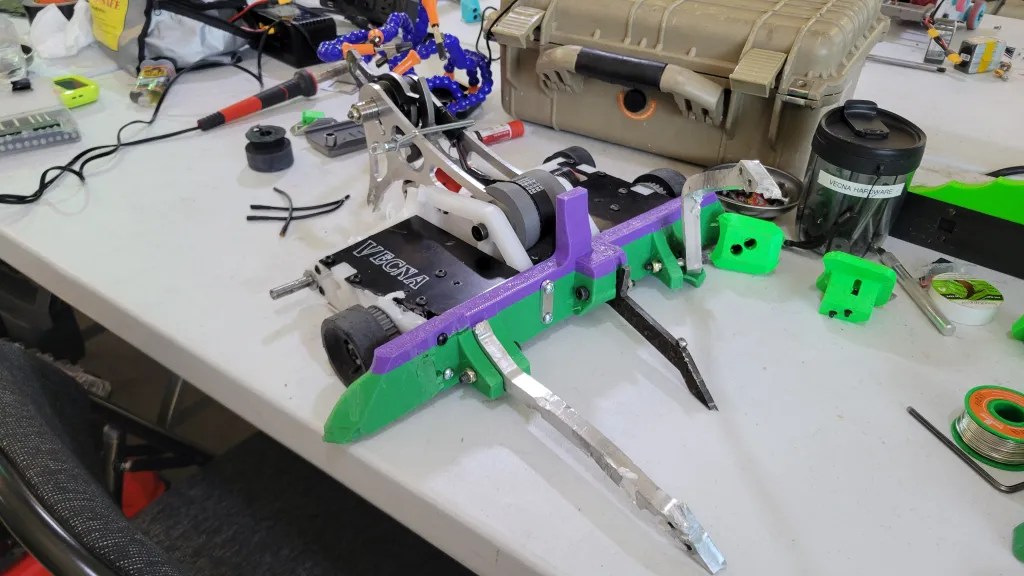
For NHRLs, the name of the game is turnaround speed. After repairing the damage to the first Vecna from California, it was time to build a second chassis.
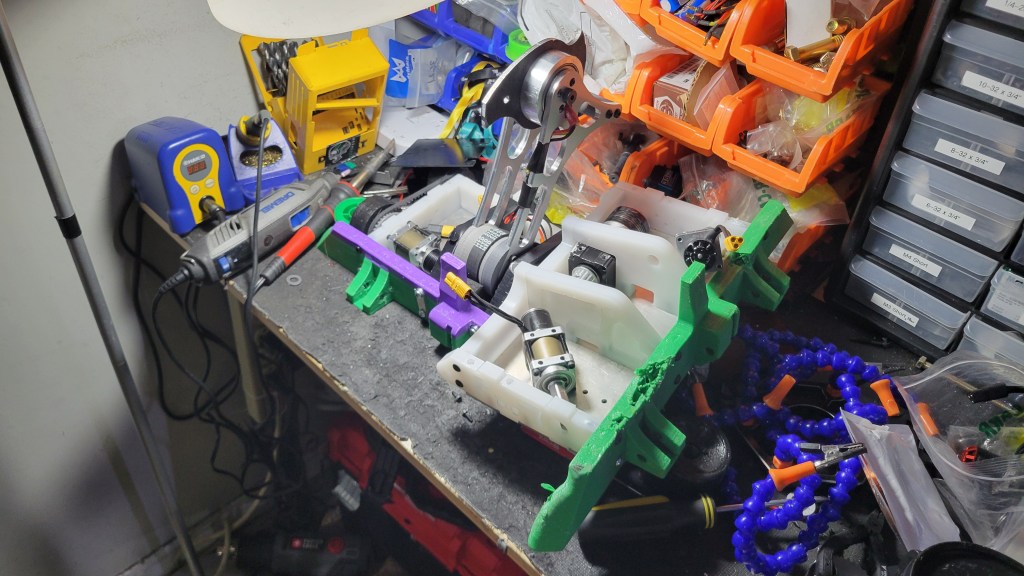
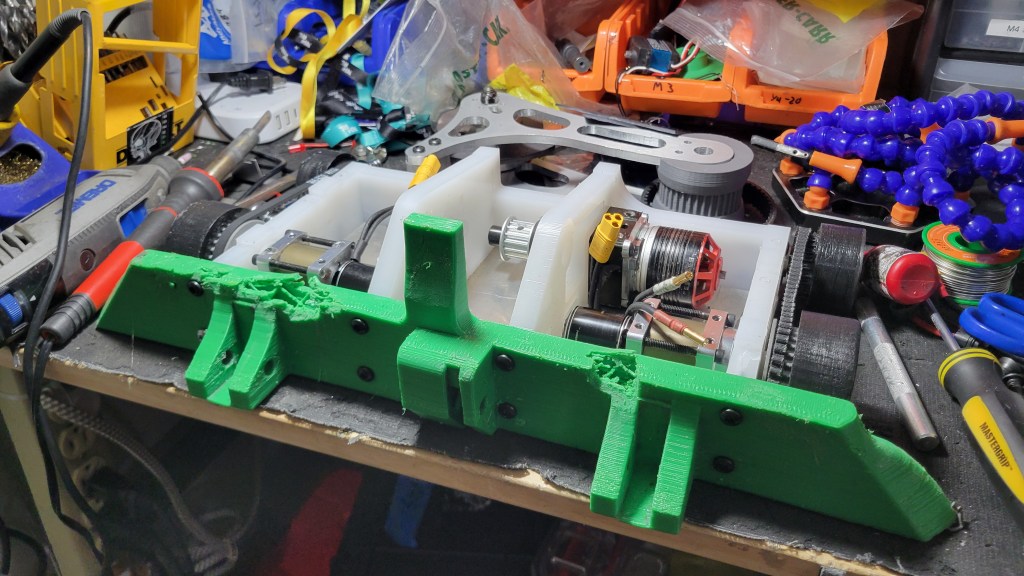
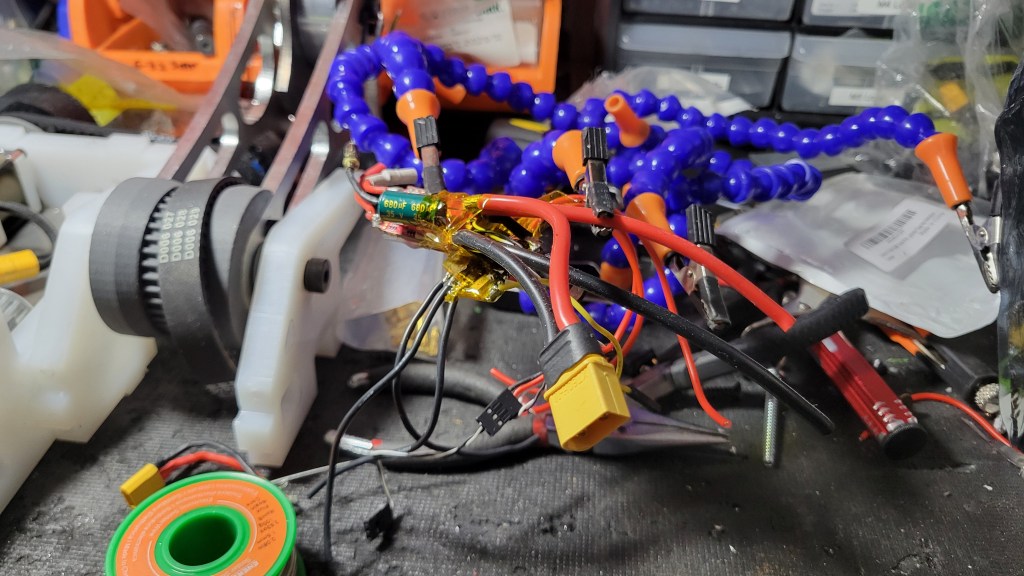
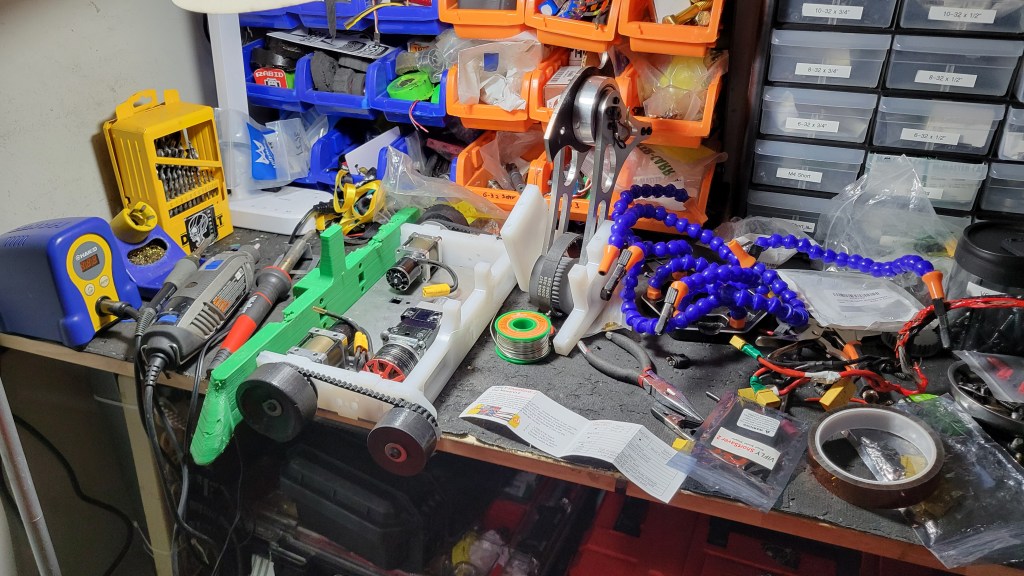
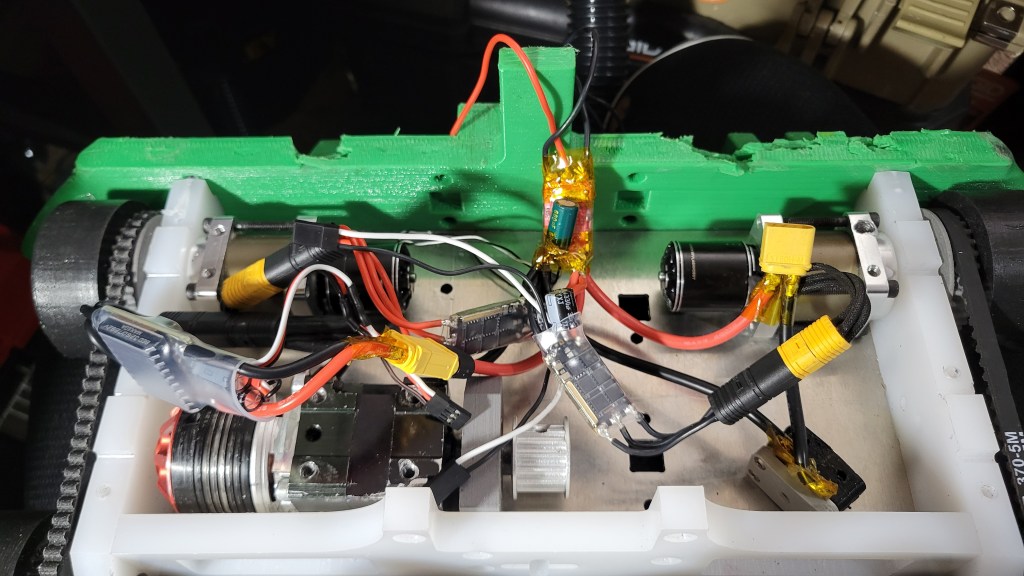
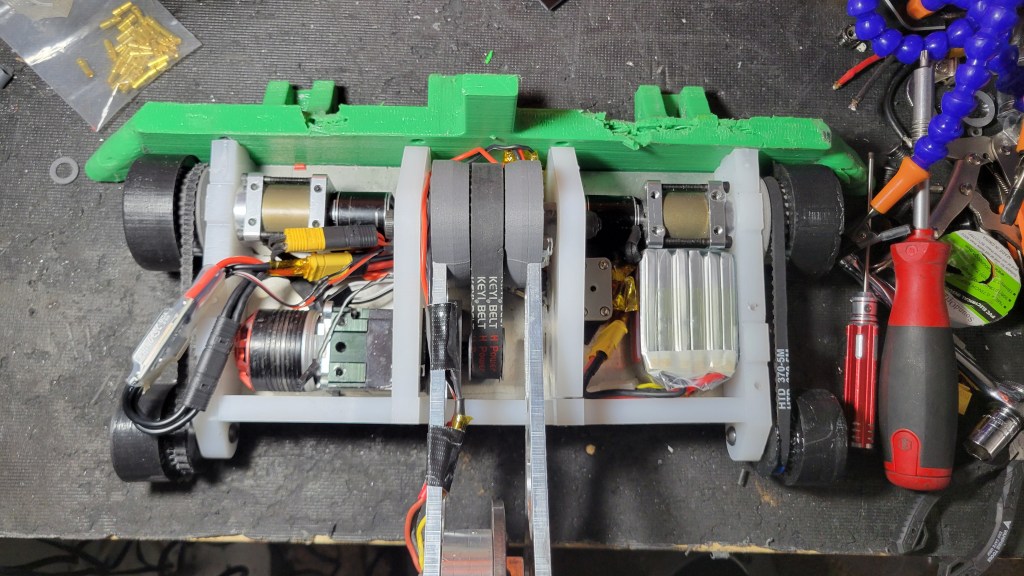
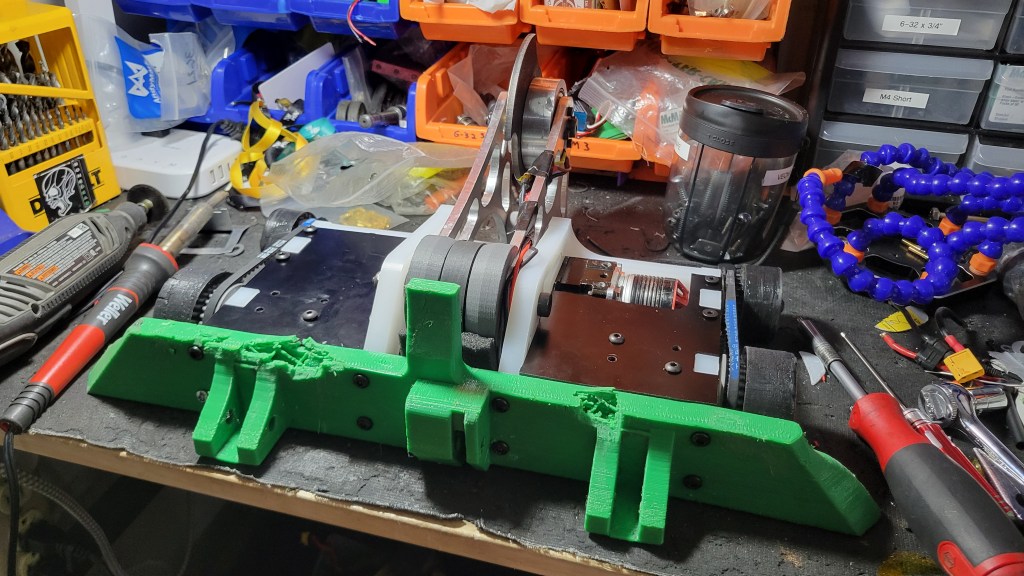
After using the spares already made, it was pretty simple to throw together. However, the backup hubmotor still seemed to have trouble getting going.
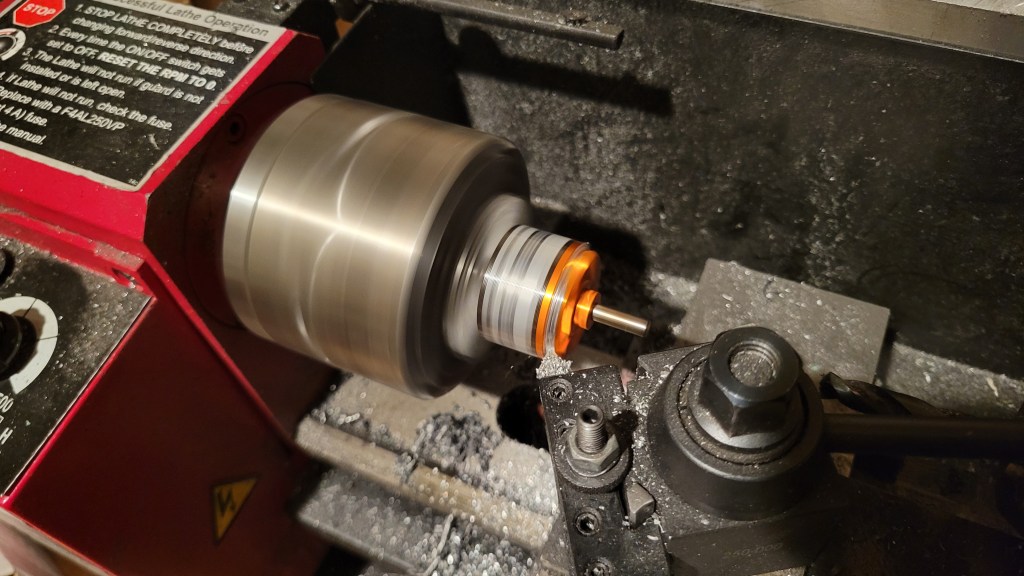
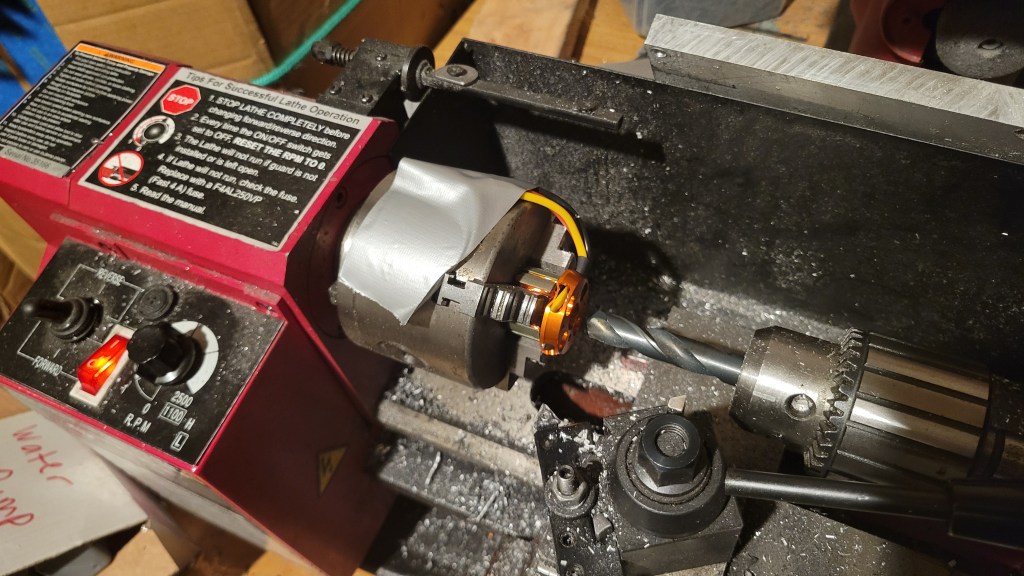
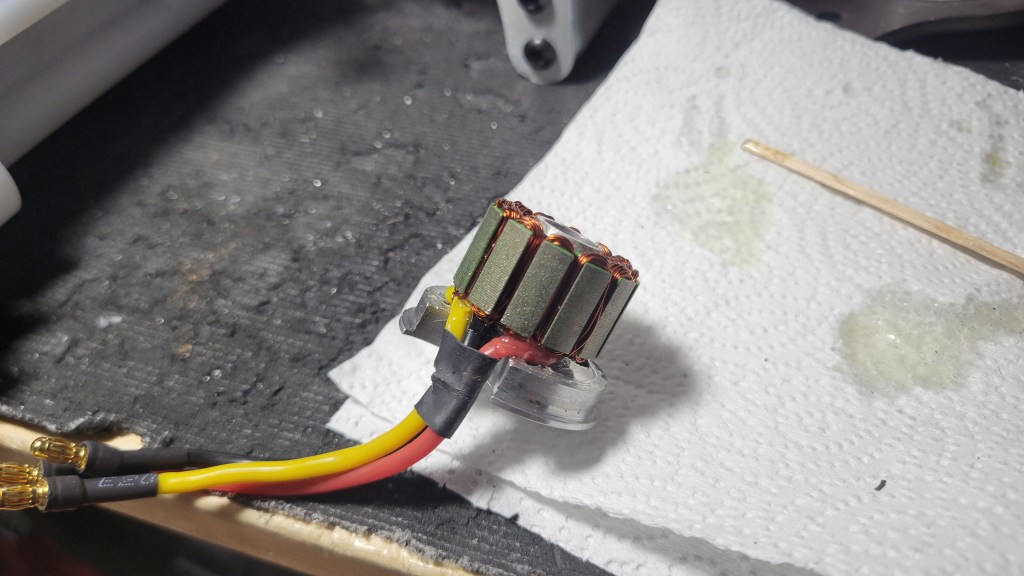
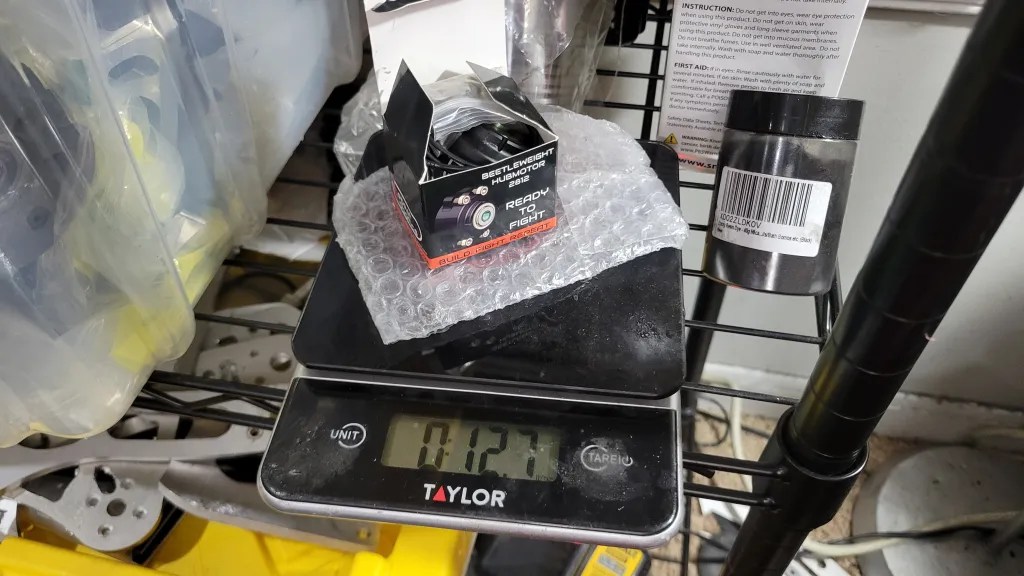
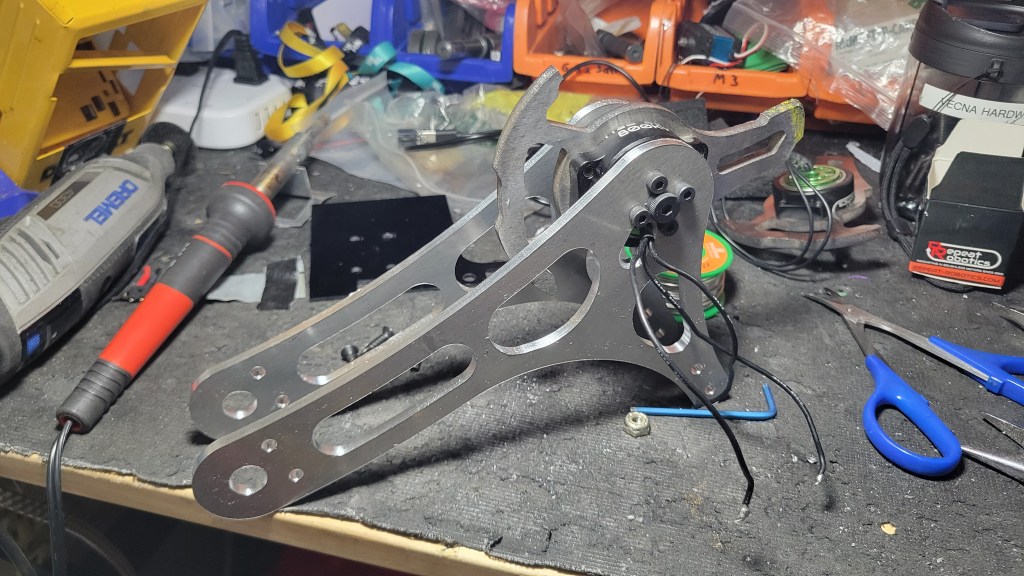
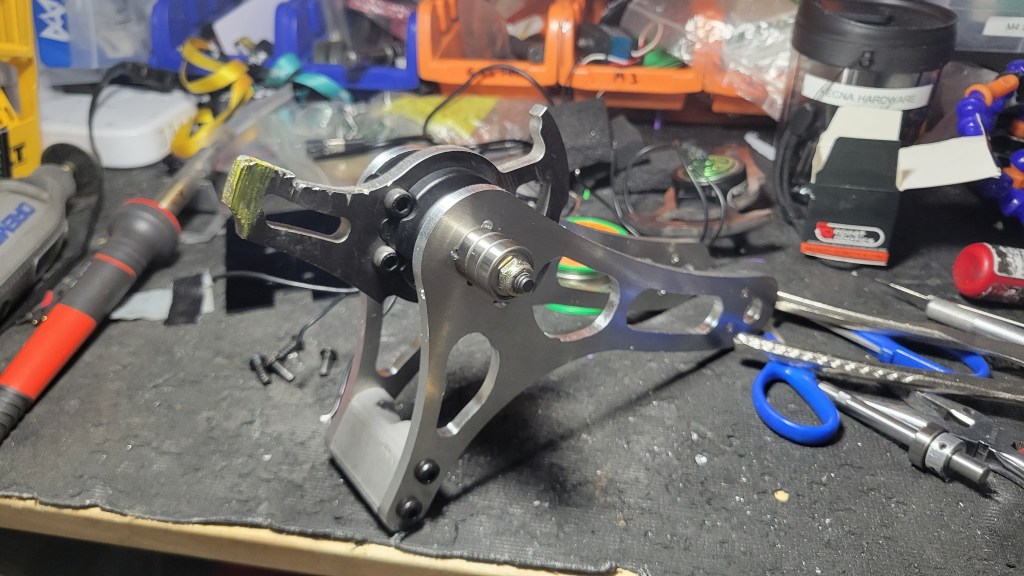
In an effort to save it, a new motor was harvested for rotor and stator then assembled. At the same time, it turns out the Repeat 2812 was roughly the same size. After cutting new arm rails the night before leaving, the hubmotor was able to drop in. It was by no means a strong hammersaw option, but it would allow the robot to get into the arena and do some learning.
Phenomenon
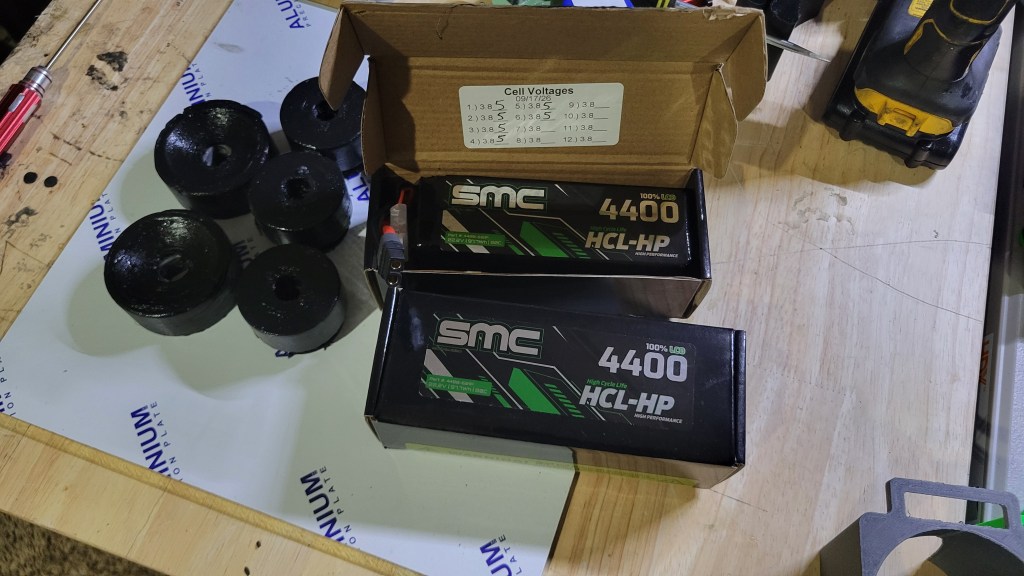
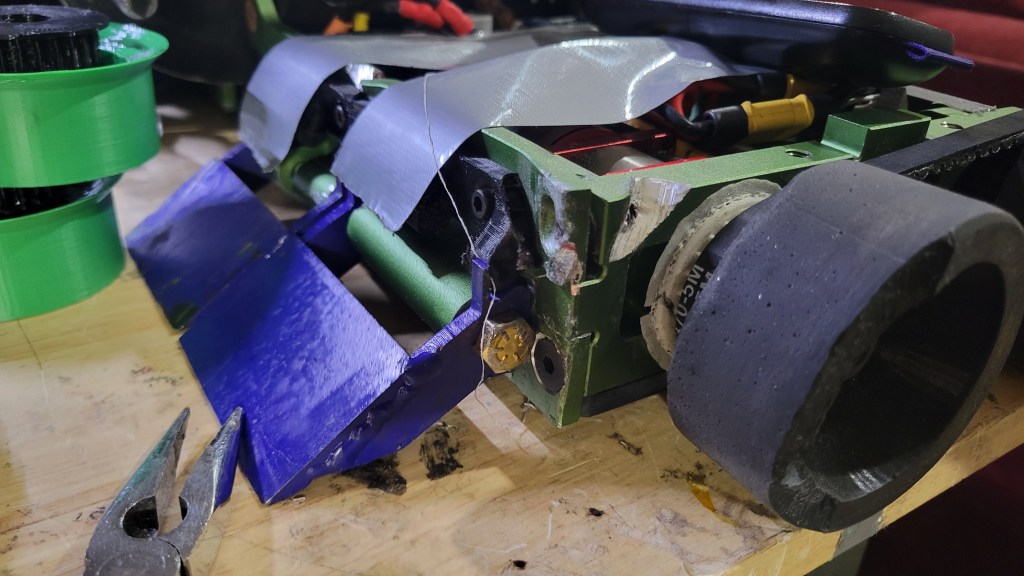
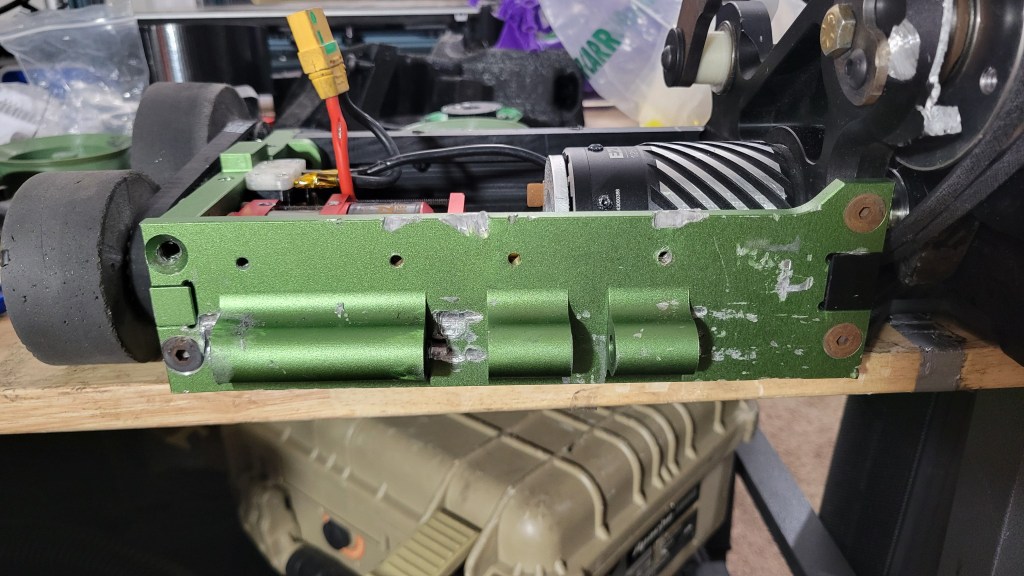
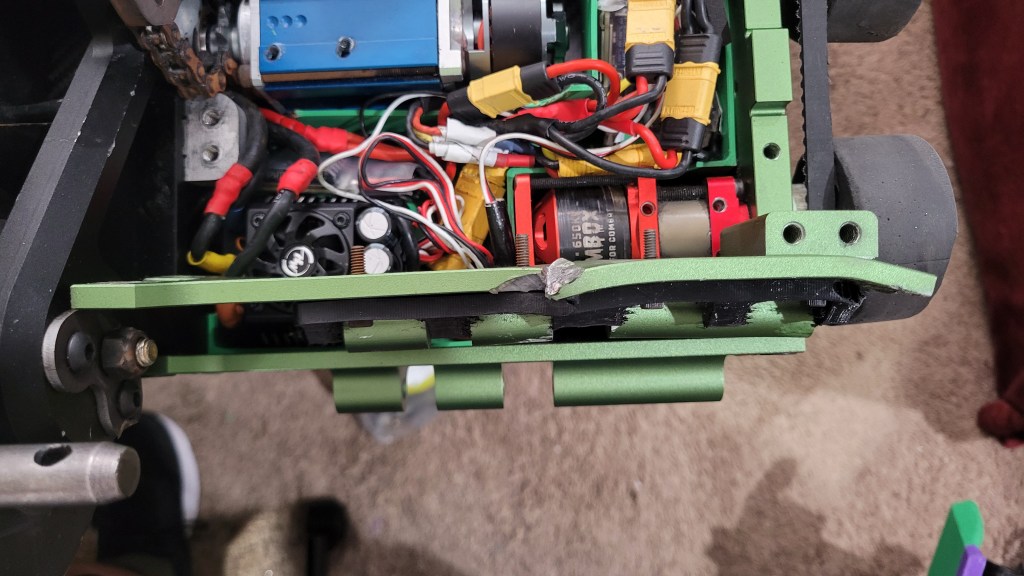
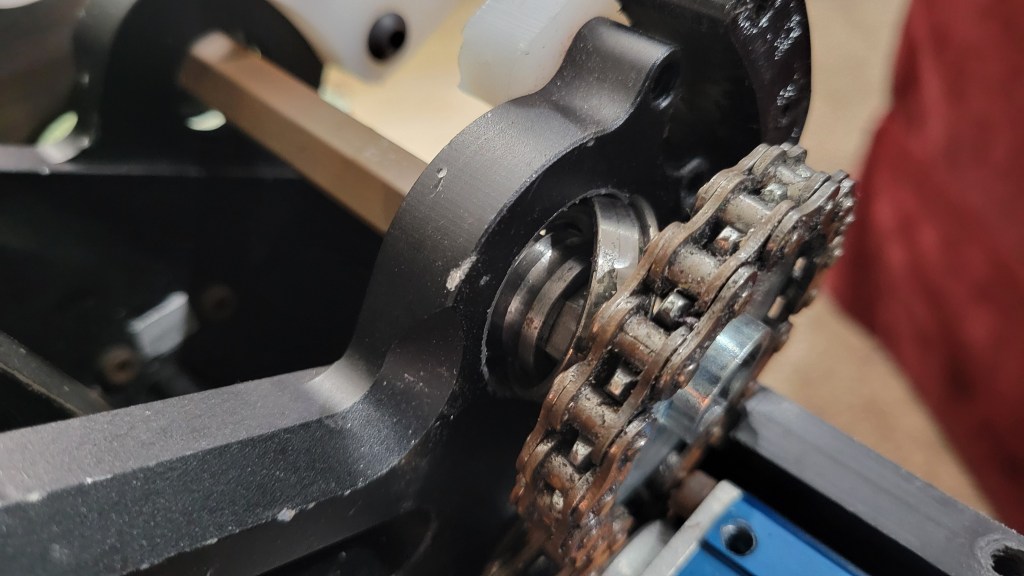
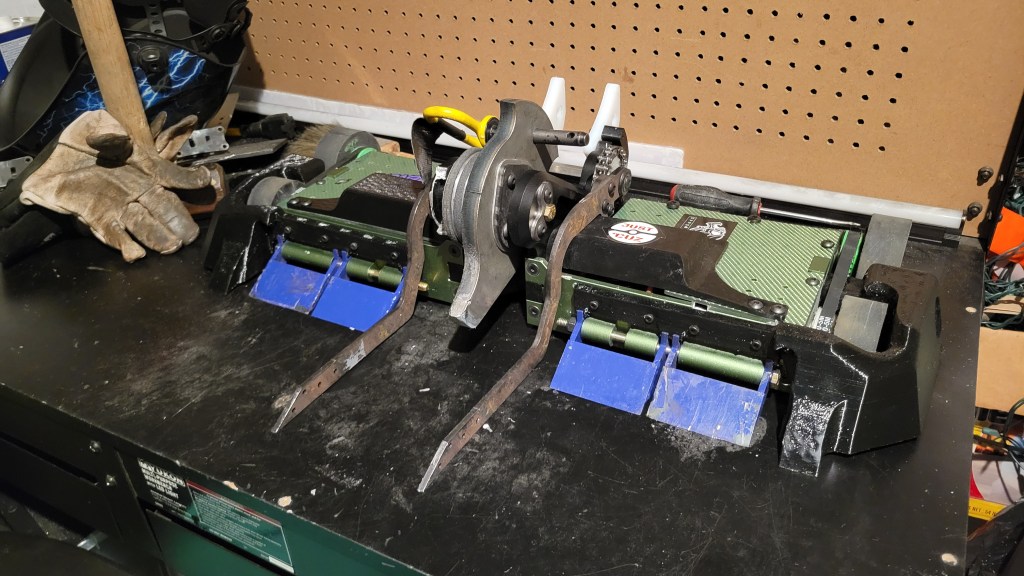
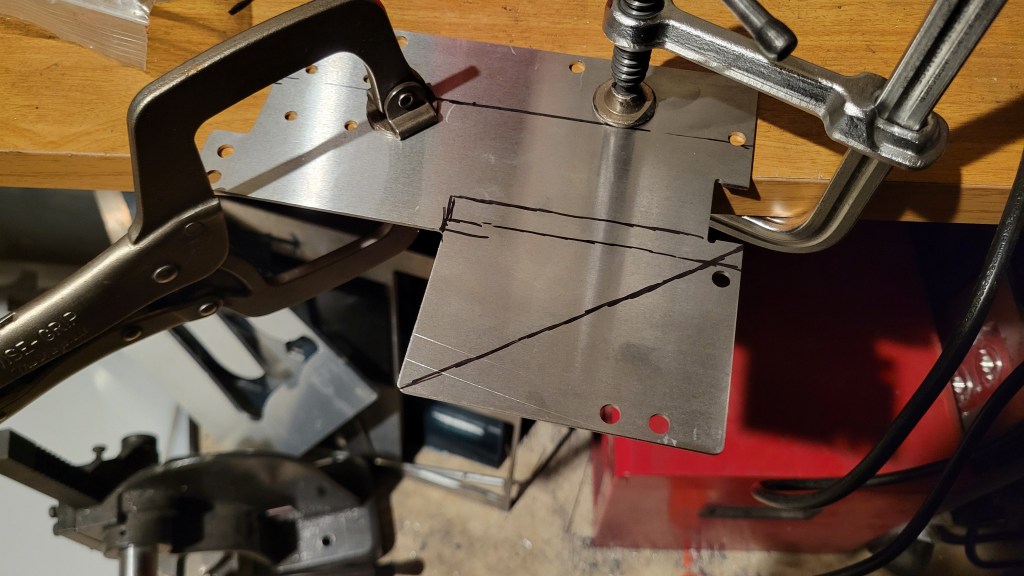
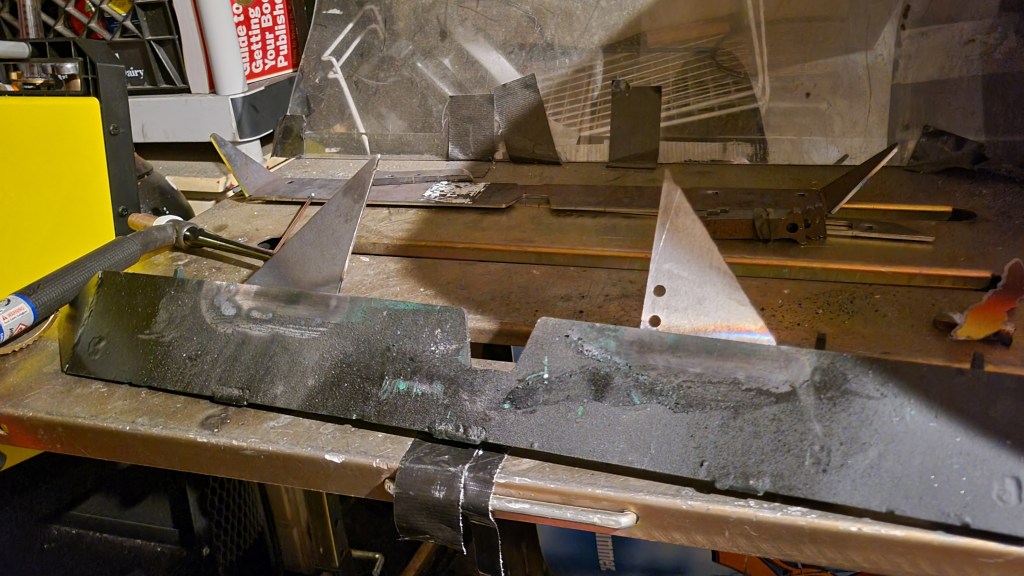
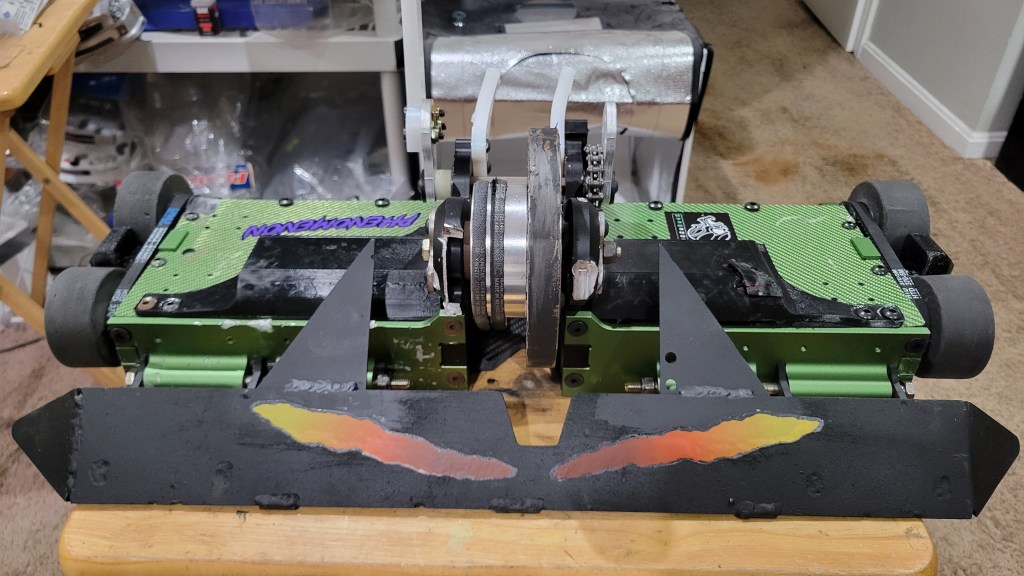
After the battles from California, the big thing was to fix the damage from the fight with HSS. Due to the fire extinguisher used, some of the components were rapidly rusted. Most incredibly, the Zombox on the damaged drive side still worked requiring only an ESC swap to make it functional again. To date none of these boxes have been lost yet. A new pair of SMC batteries were also received as the old pair from Amazon were gradually decreasing on capacity. It’s still a bit overkill, but better to be ready in case it needs to have a tip speed war against a drum.
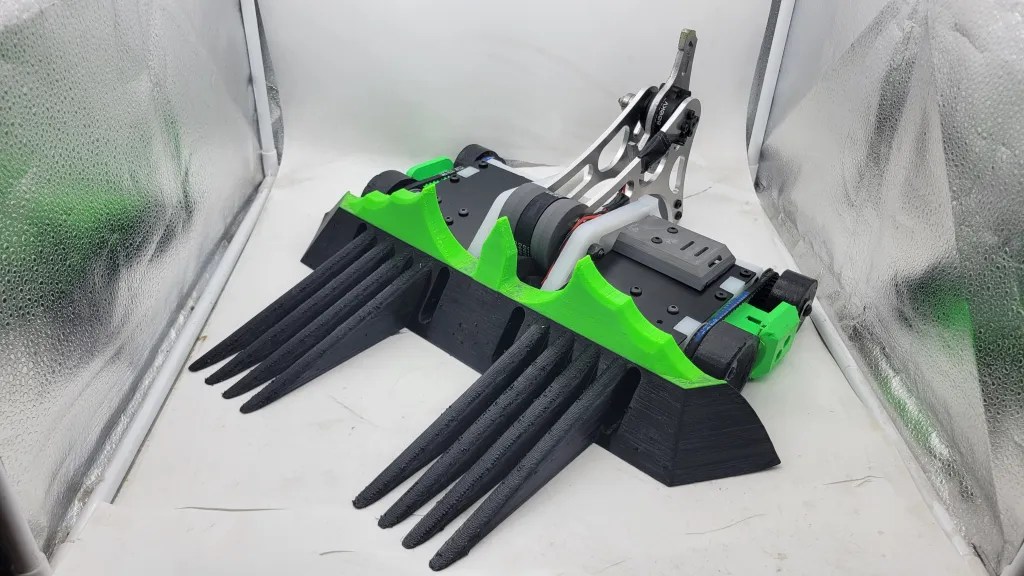
To prepare for the horizontal entries, one of the top plates of 2mm AR600 were cut and made into triangle mounts to protect the weapon motor and ESC. Naturally since this was now cat-shaped it required cat eyes made from Vorion’s old graphics.
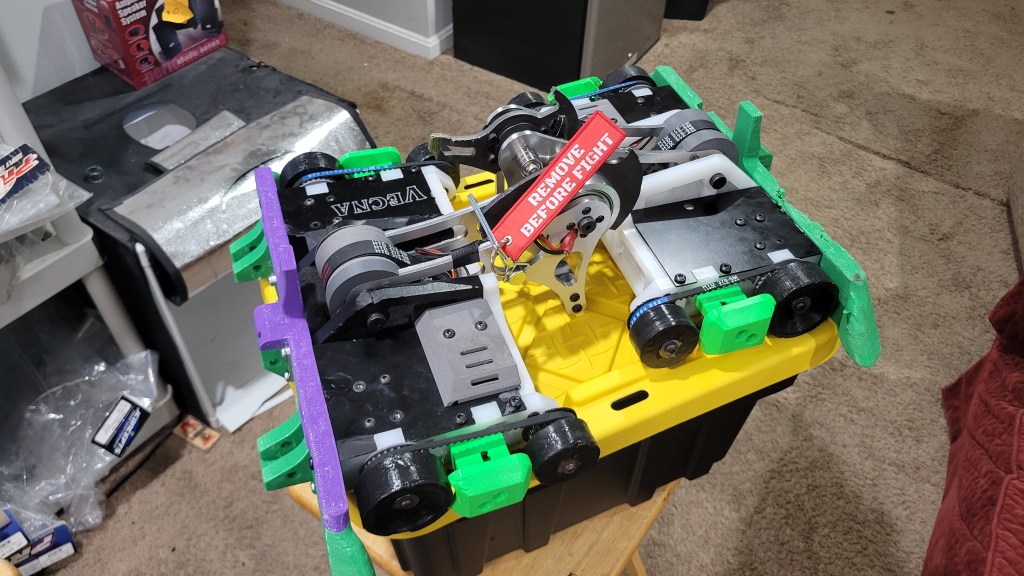
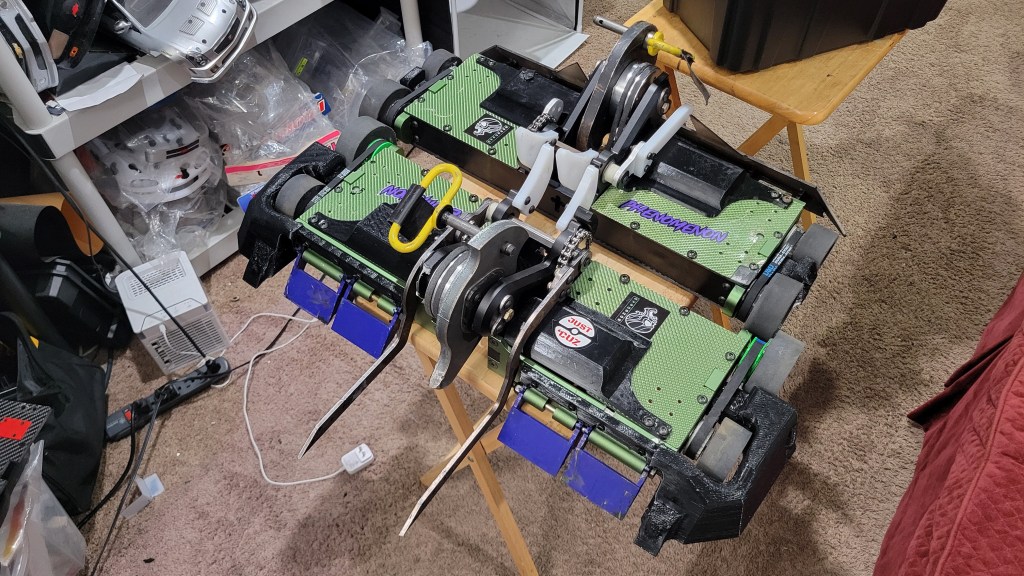
With both bots ready to go, it was time to prepare for battle!
Event
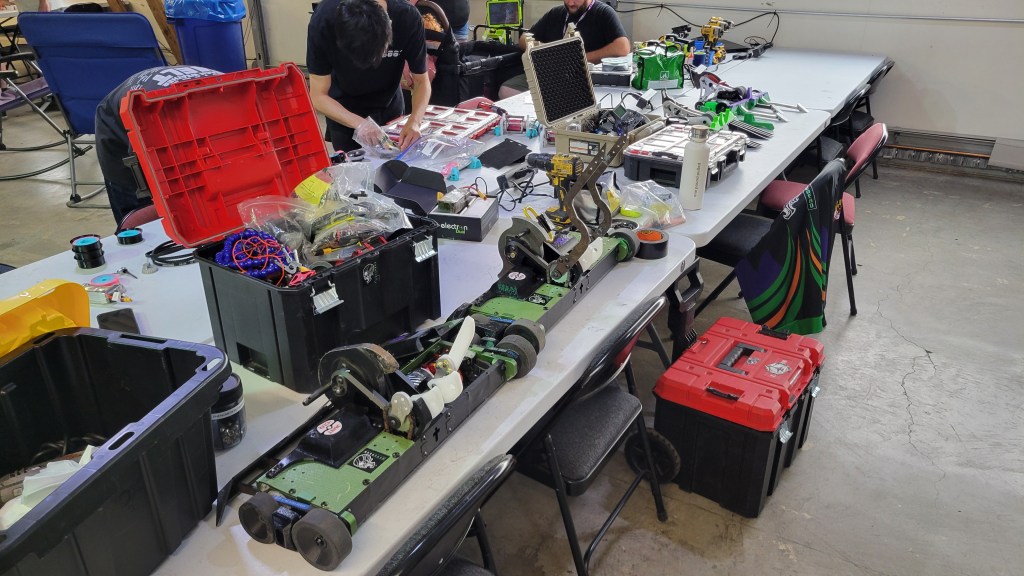
After a Friday arrival and all robots passed safety, it was time to wait for battle.
Vecna
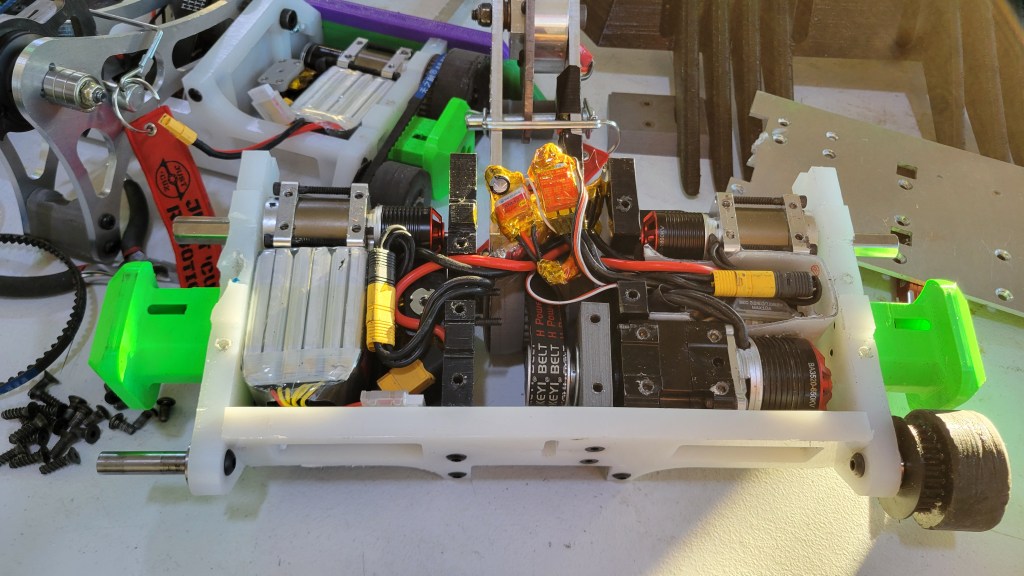
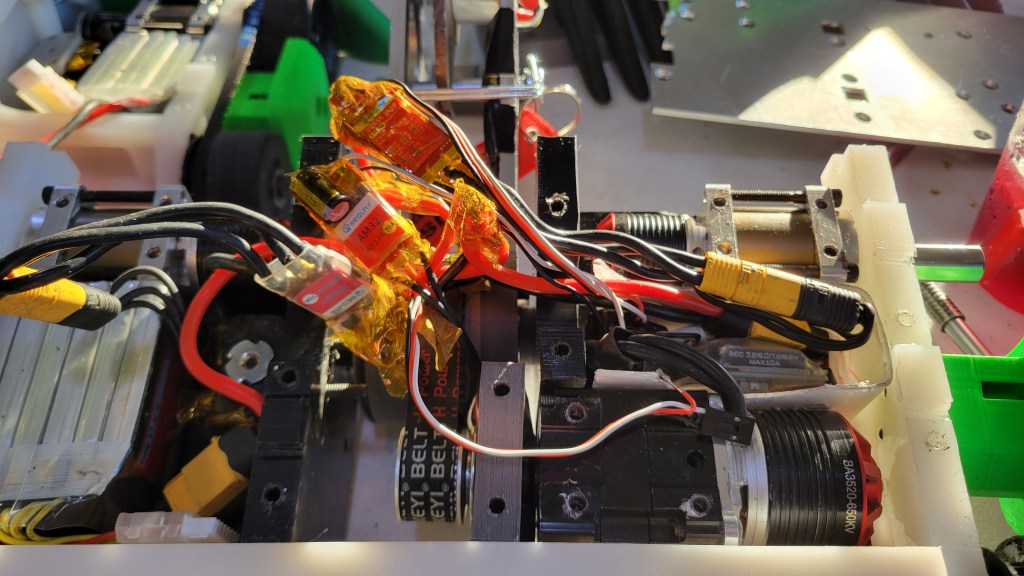
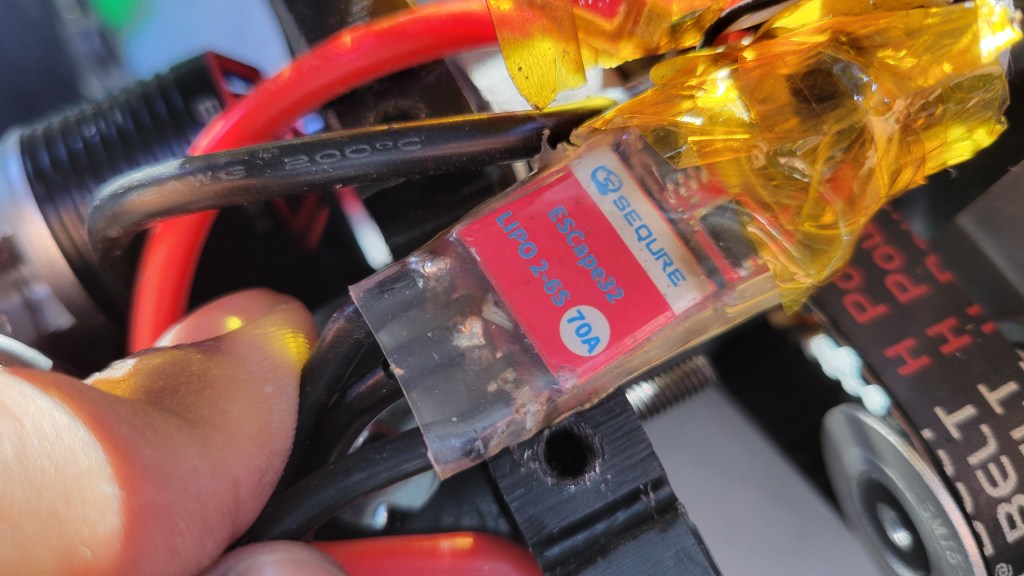
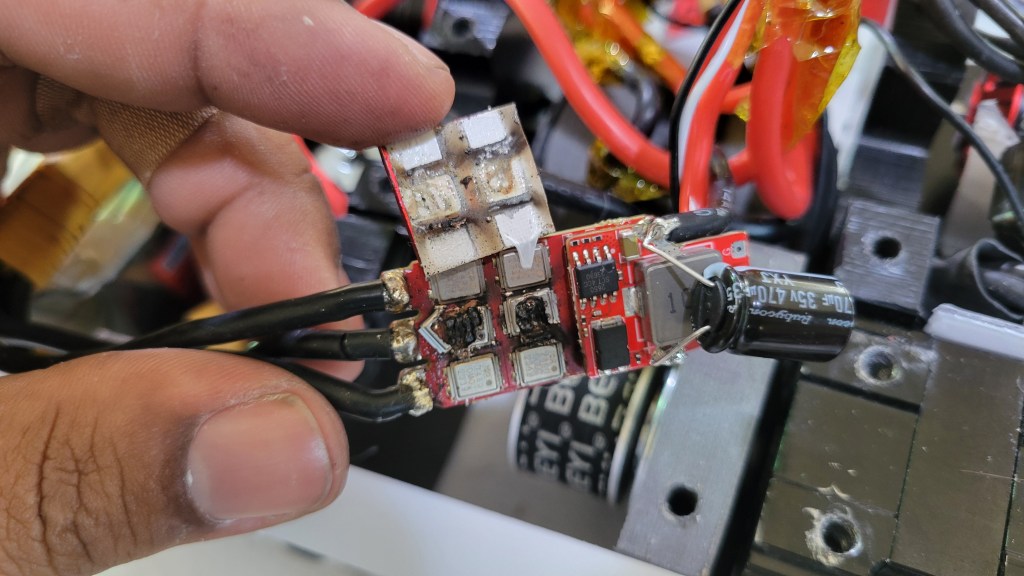
After an early morning twitch test, the drive on Vecna seemed to randomly be glitching out. After wrestling with electronics for awhile, it turned out one of the ESCs had a detonated phase. With that replaced, the spare Vecna seemed to be better but the main version was sent in to fight against Modus.
Modus
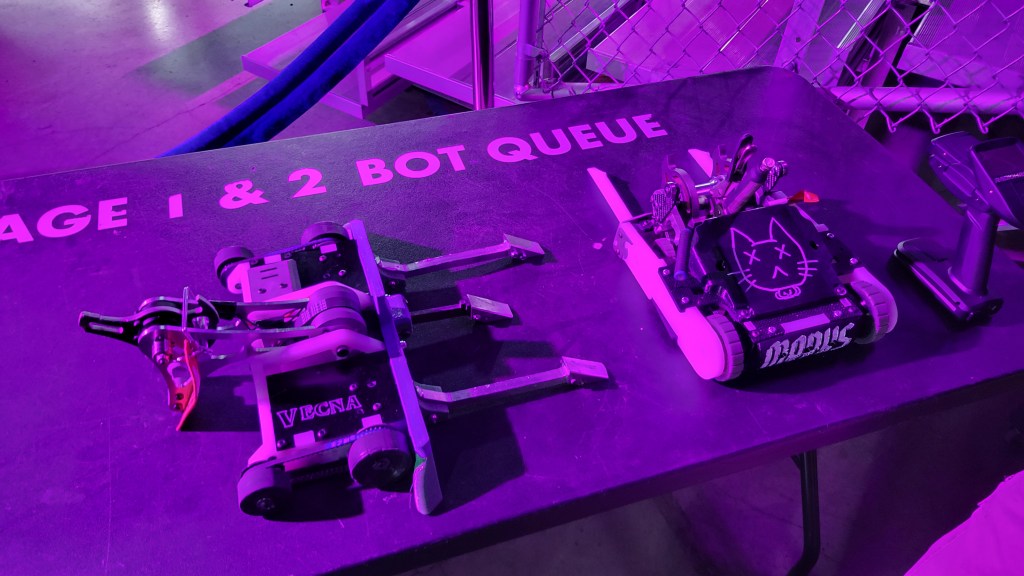
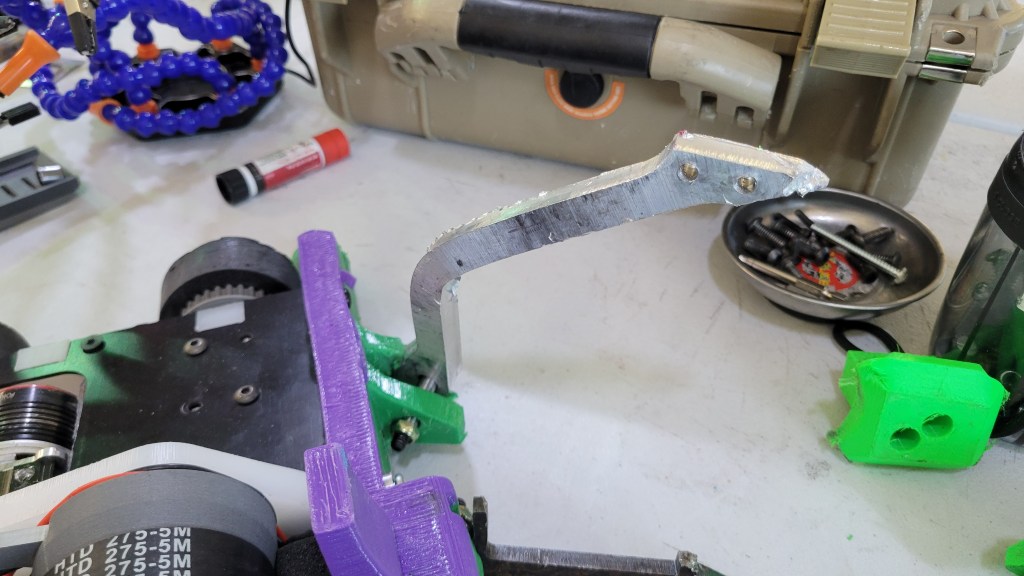
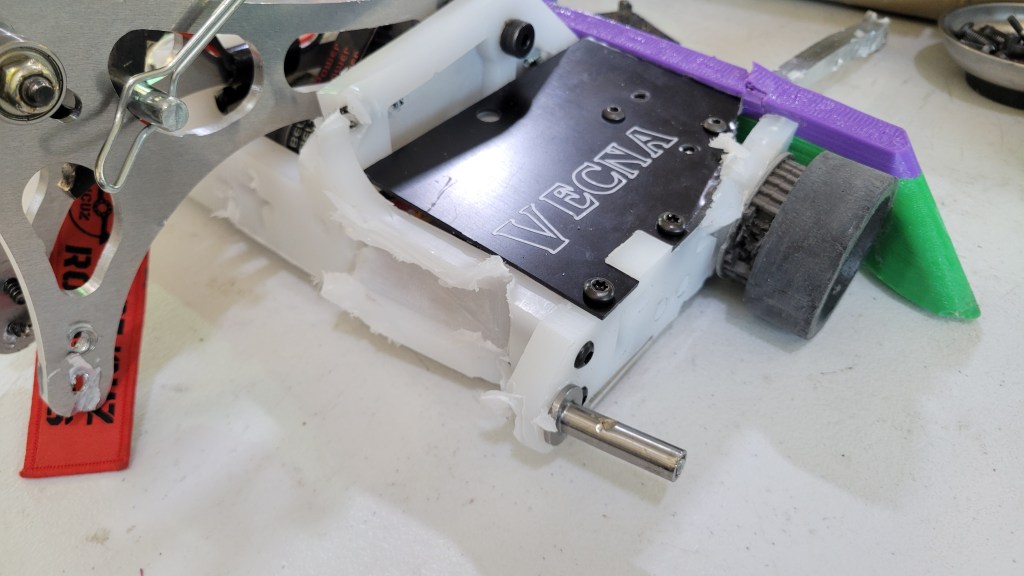
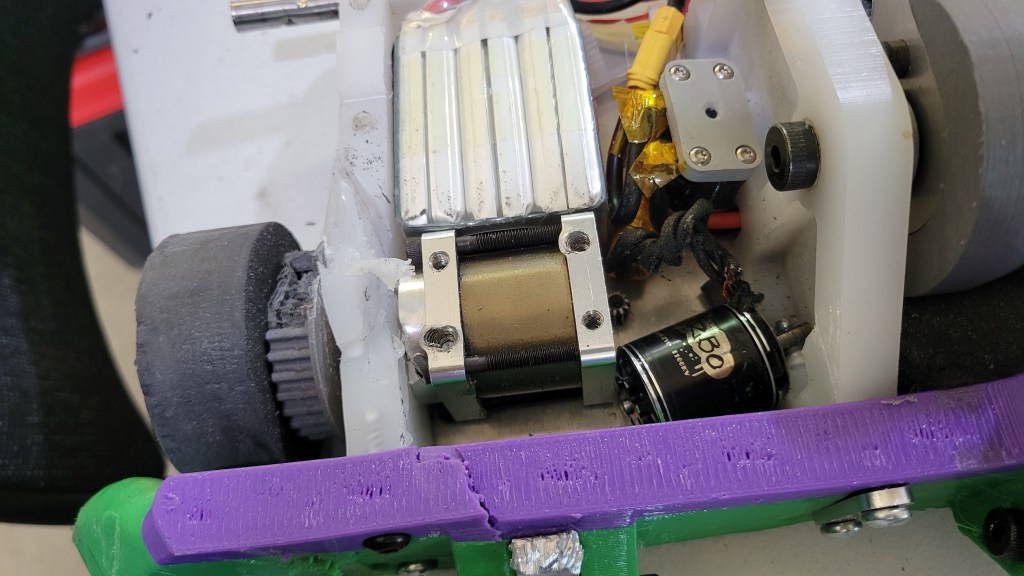
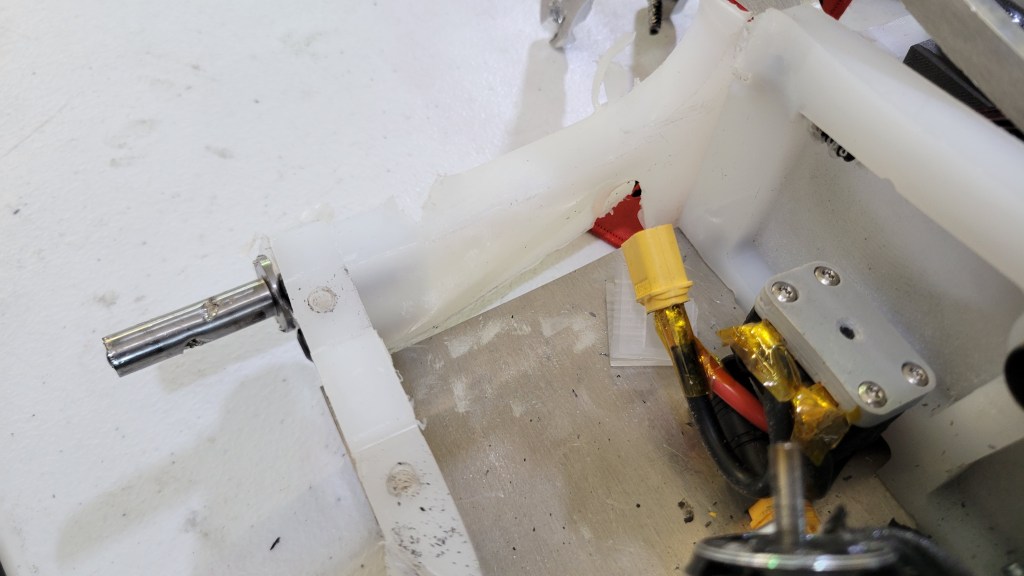
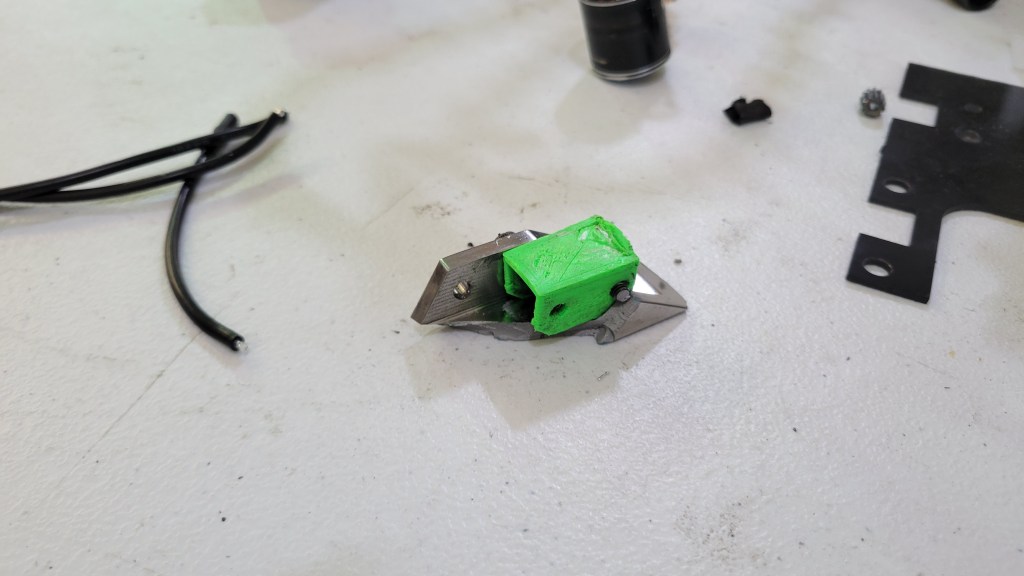
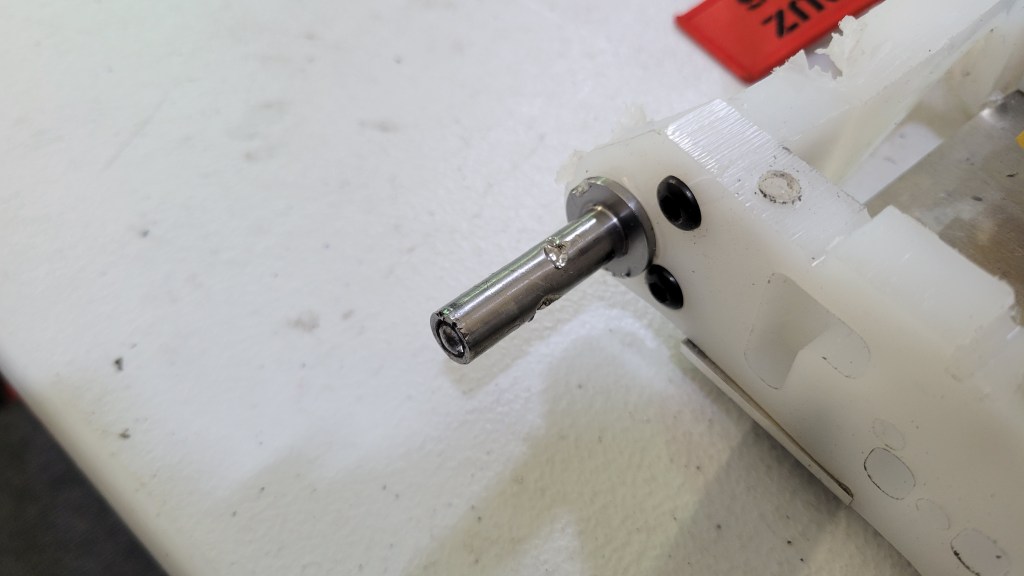
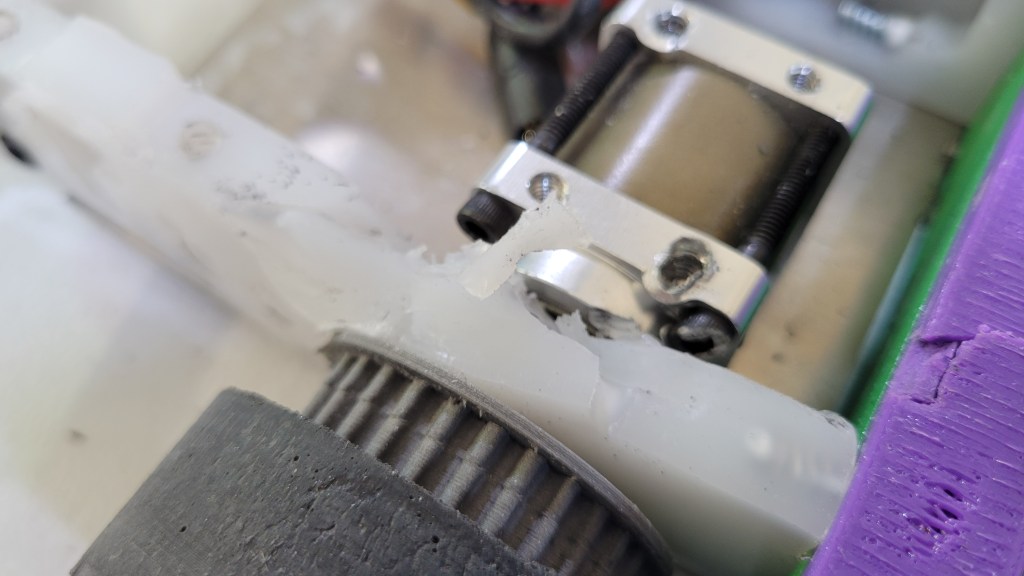
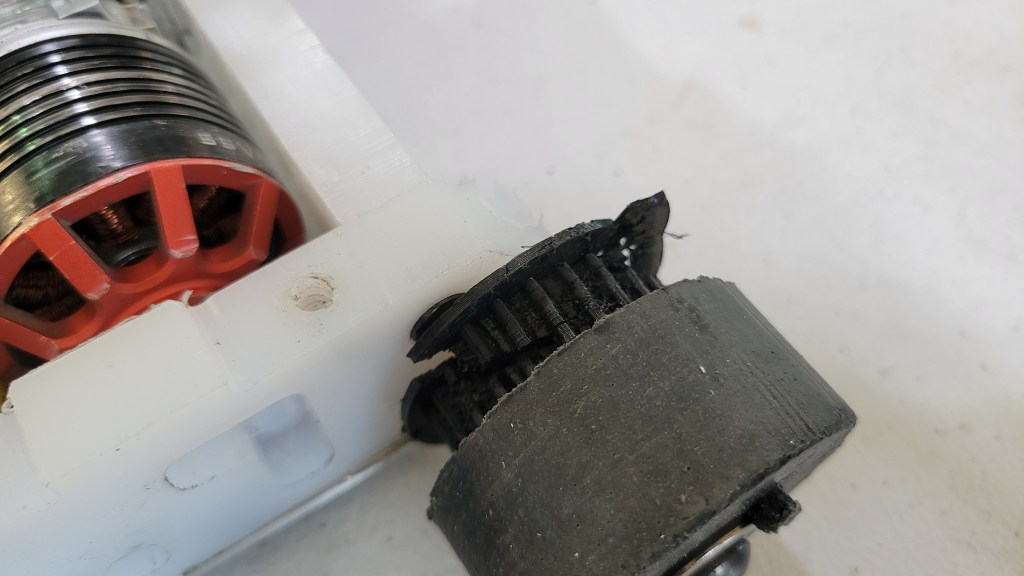
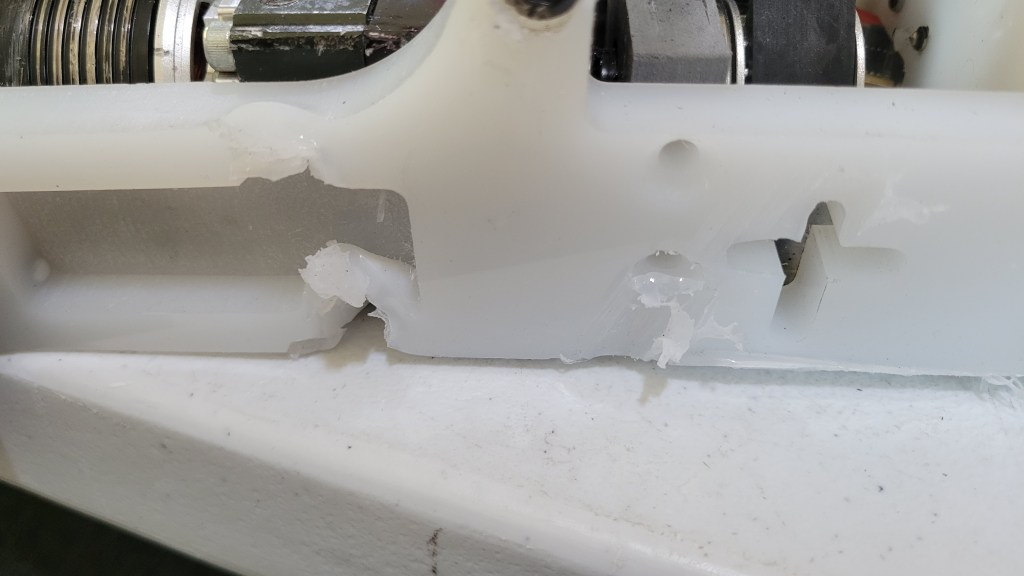
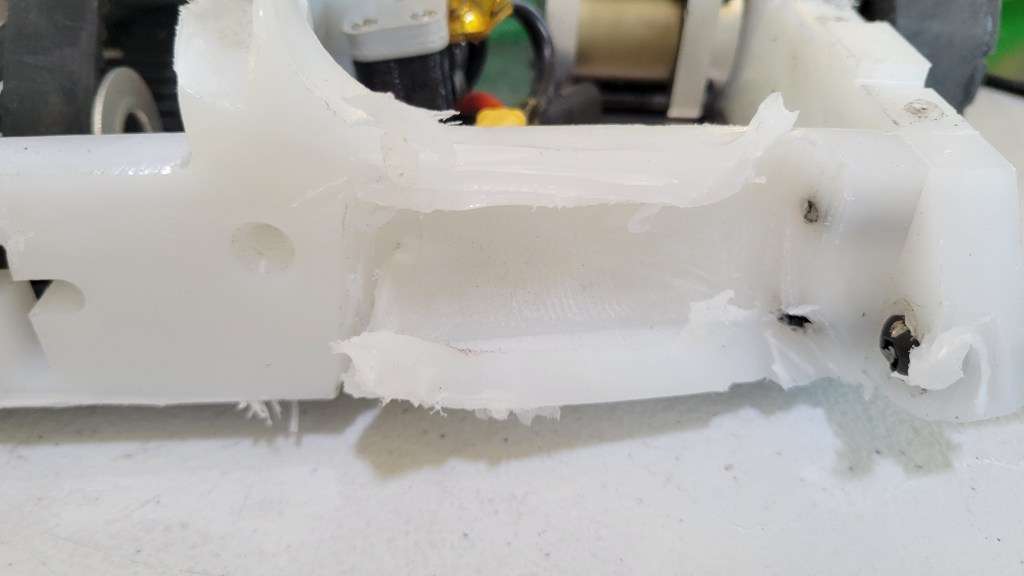
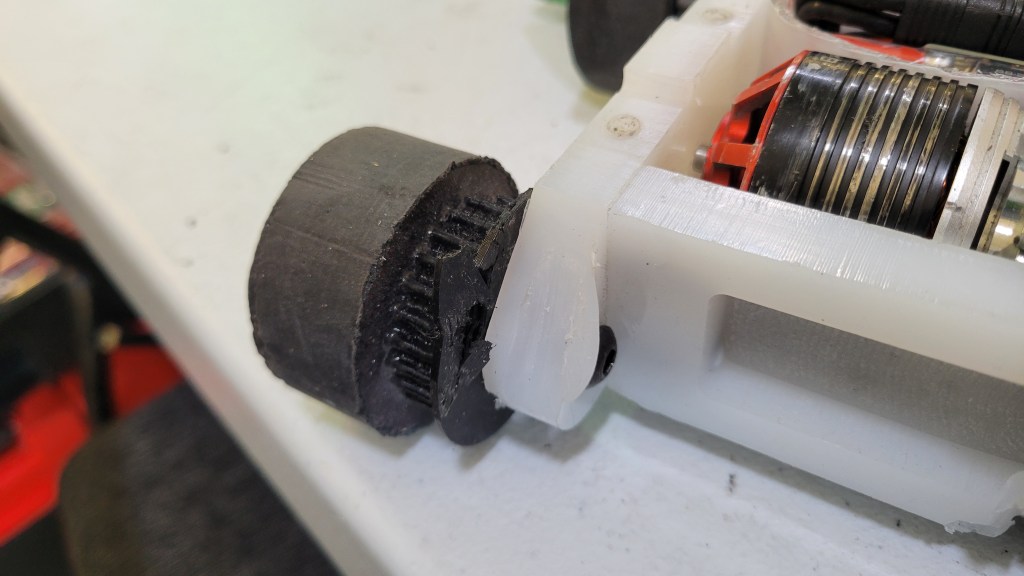
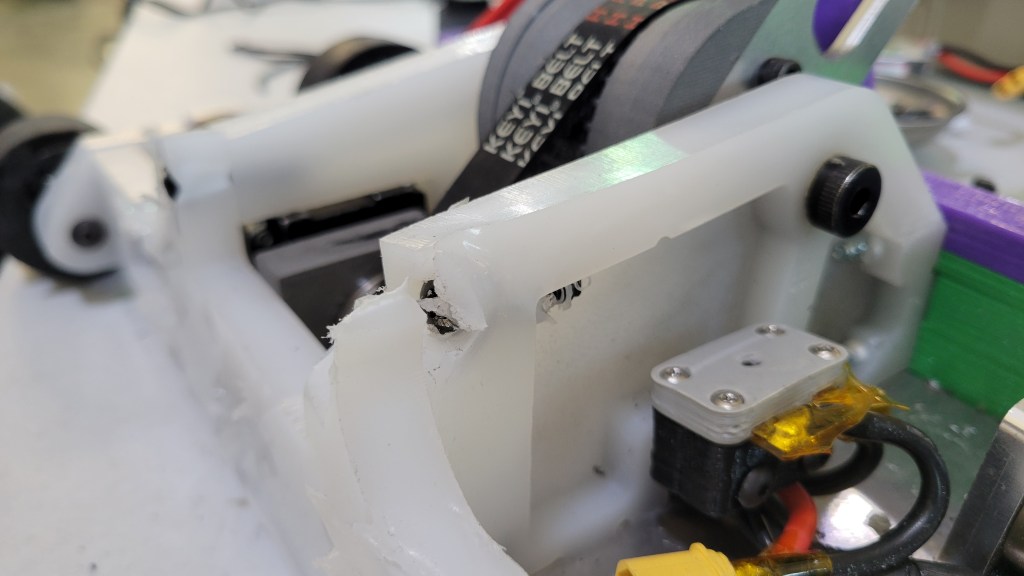
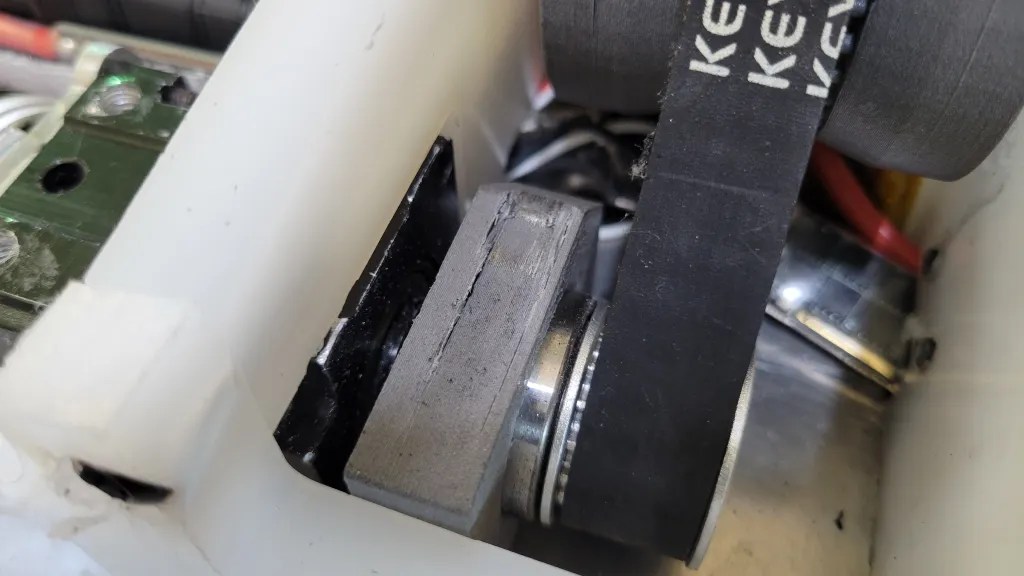
Modus hits hard. While the forks were able to hold it at bay for awhile, once the drive on Vecna seemed to grow more and more sluggish allowing Modus to eat into it. Given the concerns I already had with Vecna, I elected to keep it going to test how resilient the chassis design would be. The answer was…not the strongest but respectable as the robot neither split in half nor was set on fire. Its important to note that Vecna is still in its first version so while it did not have the best outing at SCAR and NHRL it just means there are even more exciting things on the way for its V2!
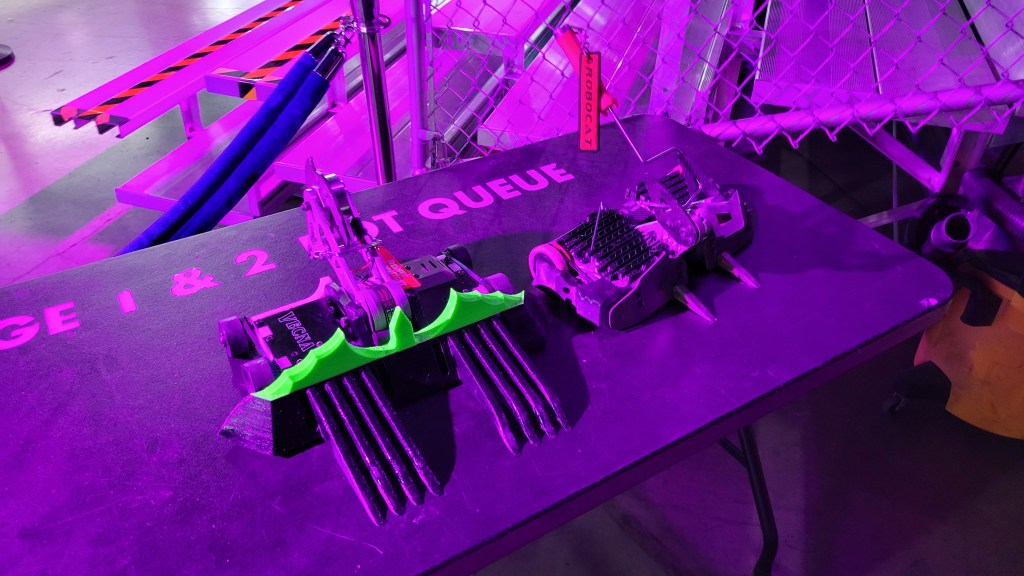
Technically Vecna’s last fight was going to be against Robo-Cat but due to the weapon ESC sparking when powered on in the box the match was called a forfeit as it could no longer do damage. It was probably for the best as it allowed some parts to be salvaged for the next build but I do wonder if Vecna’s drive was truly solved enough for it to last a full fight and whether that wedge could be enough to handle Robo-Cat. Seems we will have to wait for a true match sometime next year.
Phenomenon
Spartan 30
Spartan 30 was the first real fight of the day as Kratos had to forfeit the first round. Due to that, both robots would be going into the fight with one win guaranteed. The real stakes for this fights (besides damage) was the loser would be set on a path to meet Kazaa Lite.
Phenomenon has historically been a very solid robot against horizontals. With V2’s small stature and thick wedge it was always a straightforward battle against them with no uprights ever receiving the smallest bend in them. By making V3 so wide and control-heavy, it made coverage against horizontals very tricky. The wedge had to slimmed to a 3mm wide wedge similar to Fracas‘ style. Even with this difference, the robot was still considered pretty solid with its 5/8″ frame rails (though pocketed) and through-hole shaft retention. While the odds weren’t as good as the previous version, it was still very much a fight Phenomenon should be ready for.
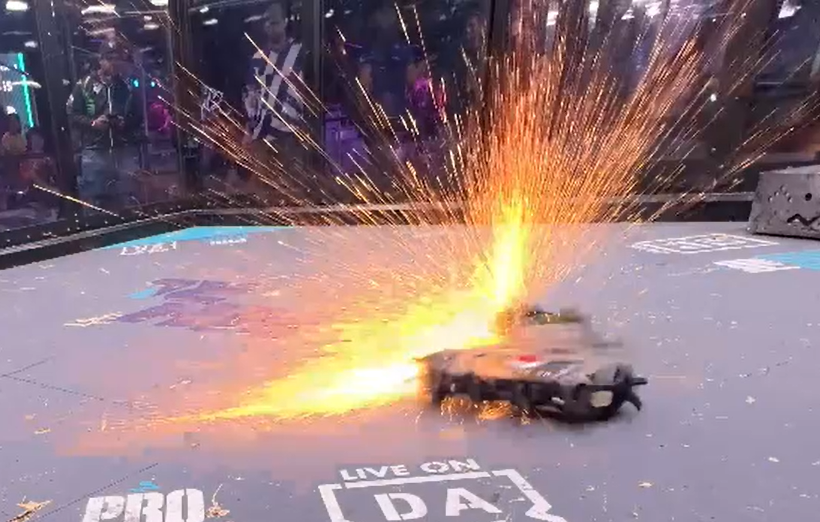
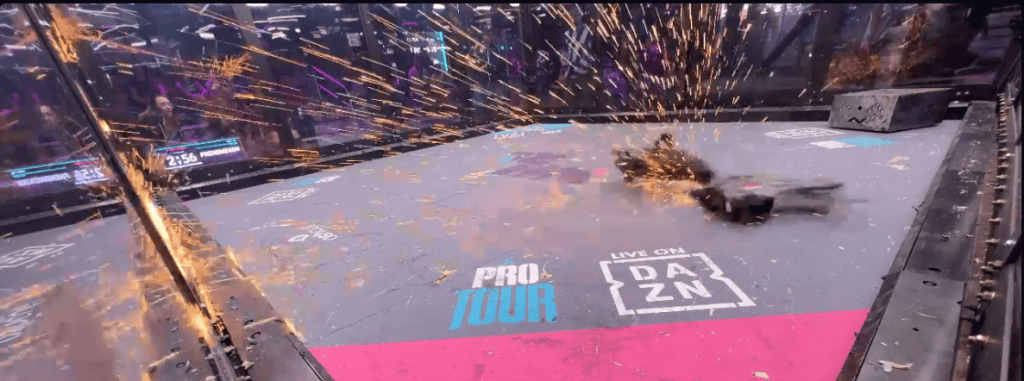
The first hit was a near perfect engagement for Spartan. From there came the pain…
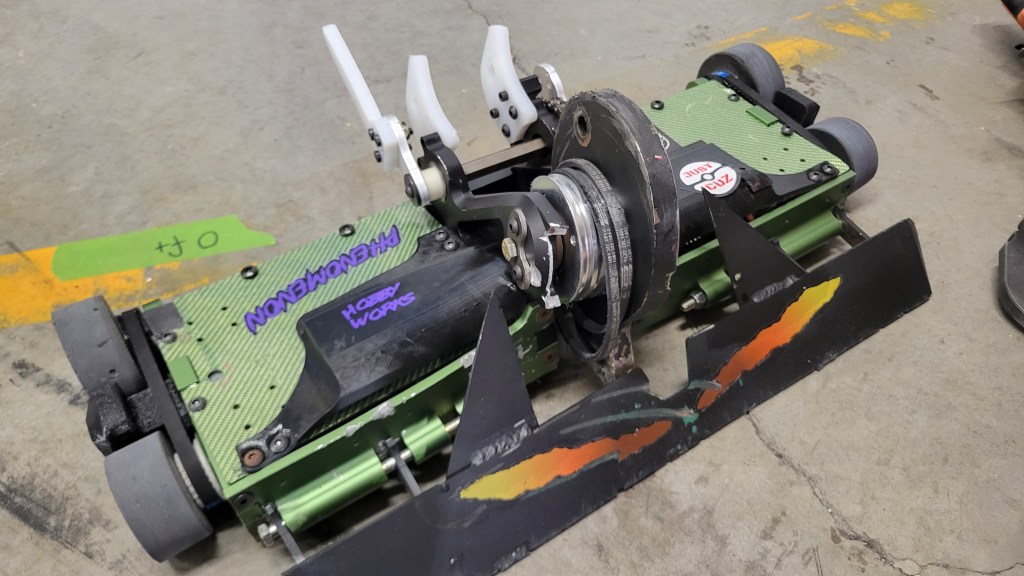
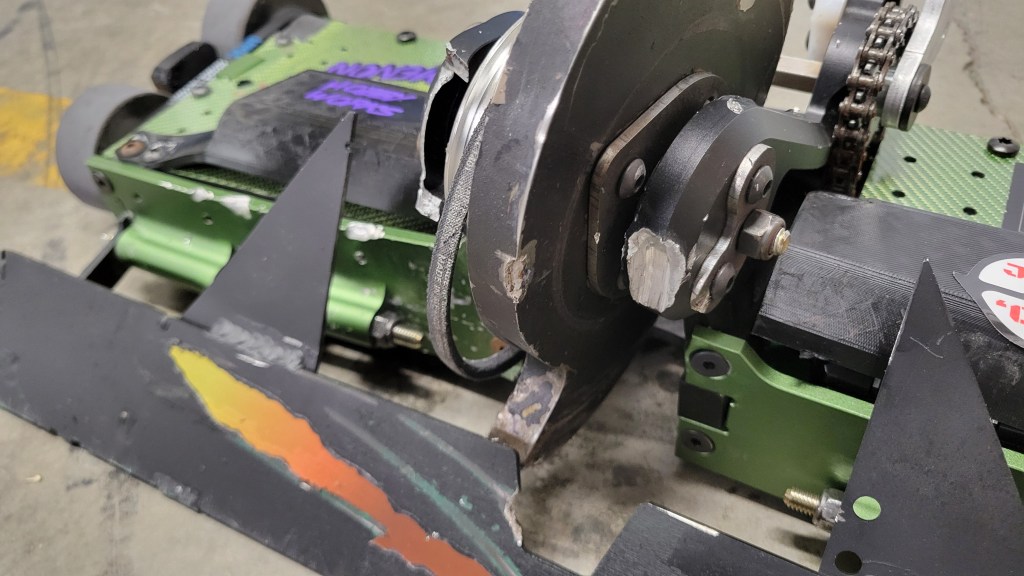
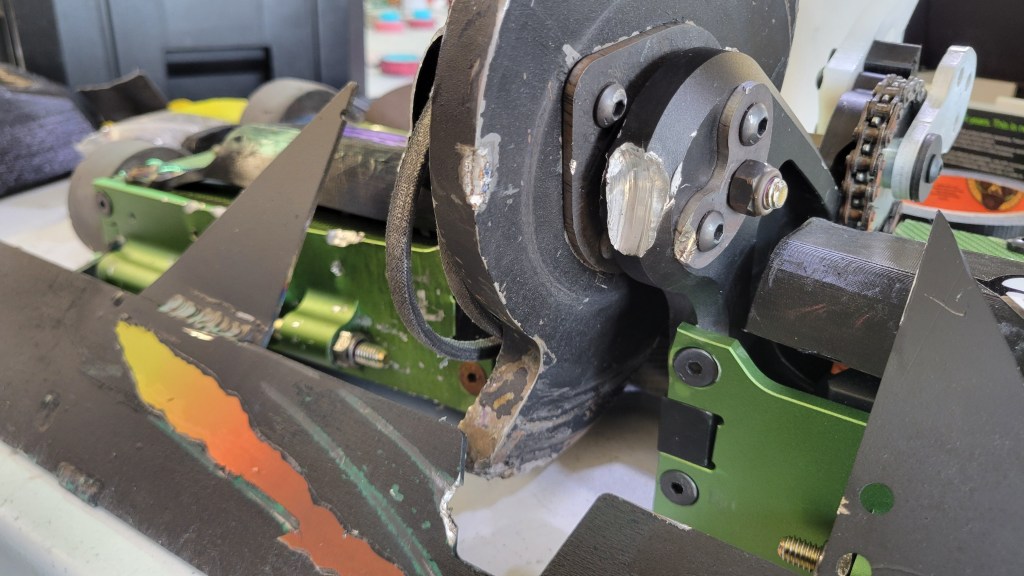
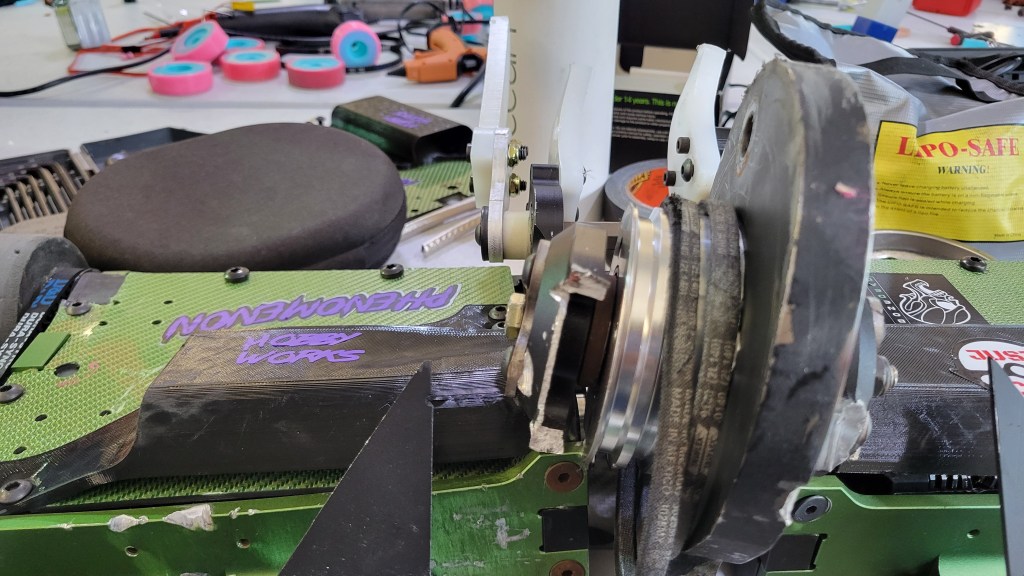
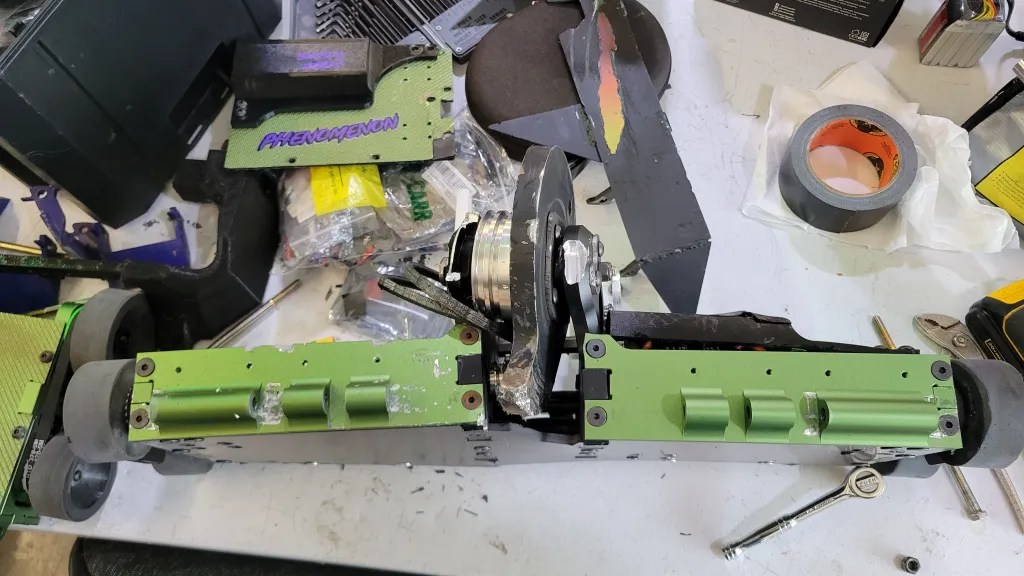
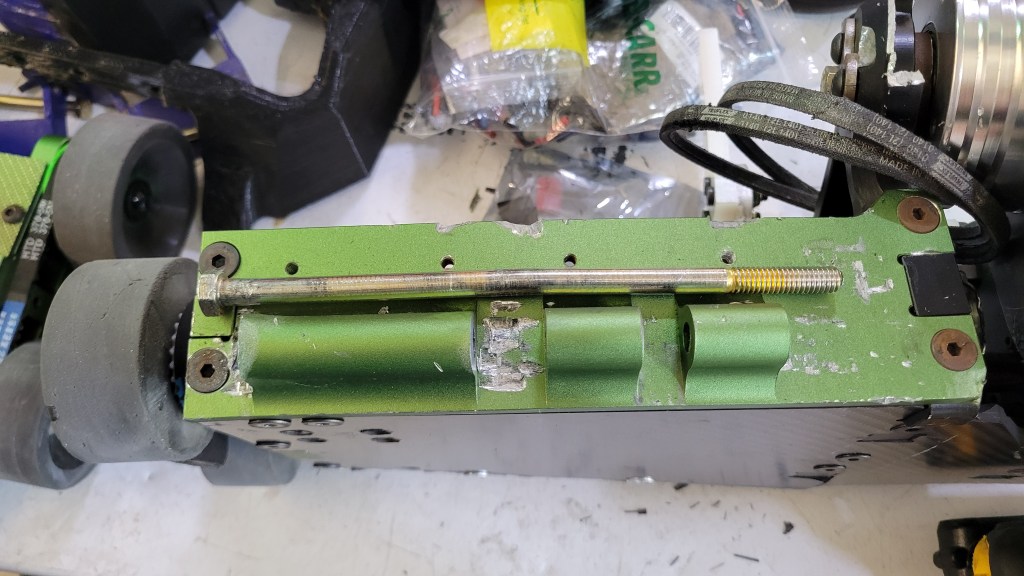
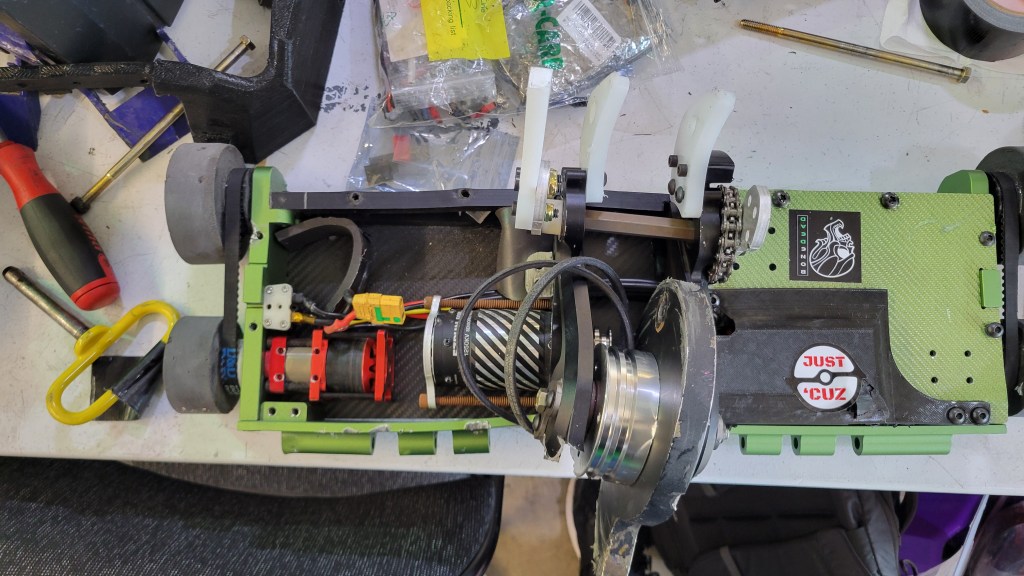
Ow.
For a first fight, this was a nutty one. Spartan 30 physically and metaphorically rocked the confidence of the robot in one mind-numbing move. The fight ended not long after. It’s important to note that all of the electronics and motors did still work. Even the pulley assembly could somewhat rotate. However, when the entire robot’s face got shifted it’s not going to walk it off.
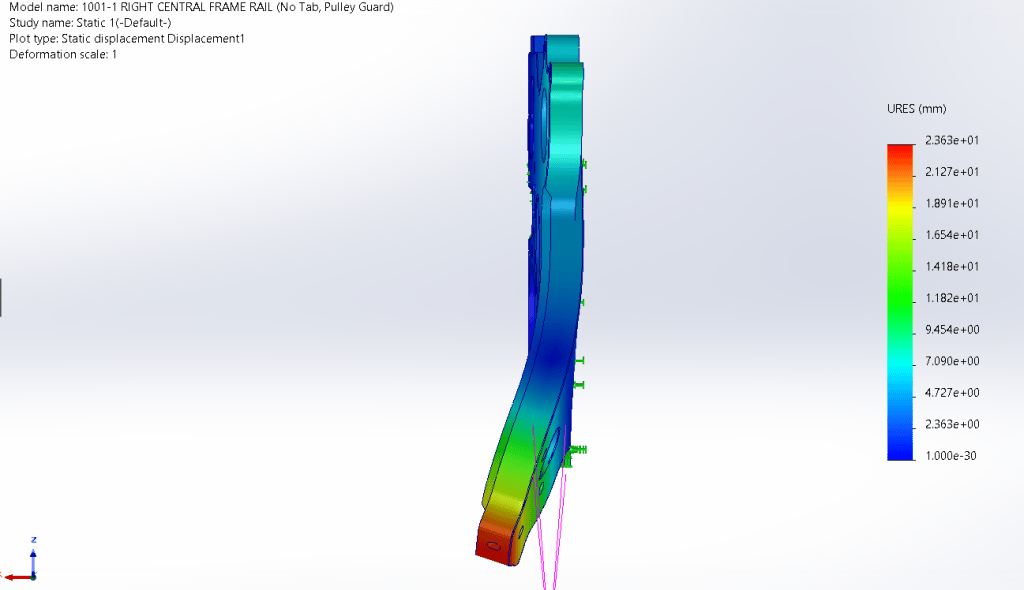

This model is a funny approximation of the weapon hit from Spartan. Using 20,000lbf in a Static study, the expected deformation roughly tracks what was seen. In a very simple approximation, Spartan had hit over a literal ten tons of force in the brief milliseconds of impact. Given the permanent deformation and other components bent, its likely much higher than this, at least double. If that doesn’t give you some perspective on how hard even 30lb robots hit, then I don’t know what does.
A quick word from Google AI for some perspective:
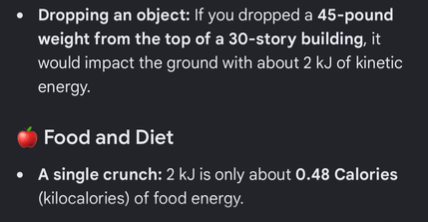
Thanks Google AI.
To get more robot perspective on that, here is an analysis at the same force with normalized 4340 steel (not the hardened kind used in robot’s weapons):
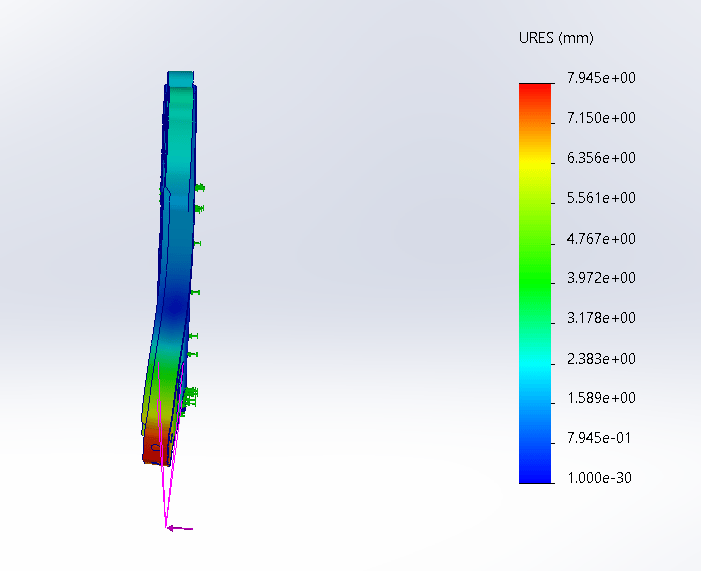
For the size, the steel deformed less than half as much as the aluminum but would be considerably heavier to do so.
Now for reference let’s do UHMW (not standard in Solidworks, but an approximation built from their Delrin model):
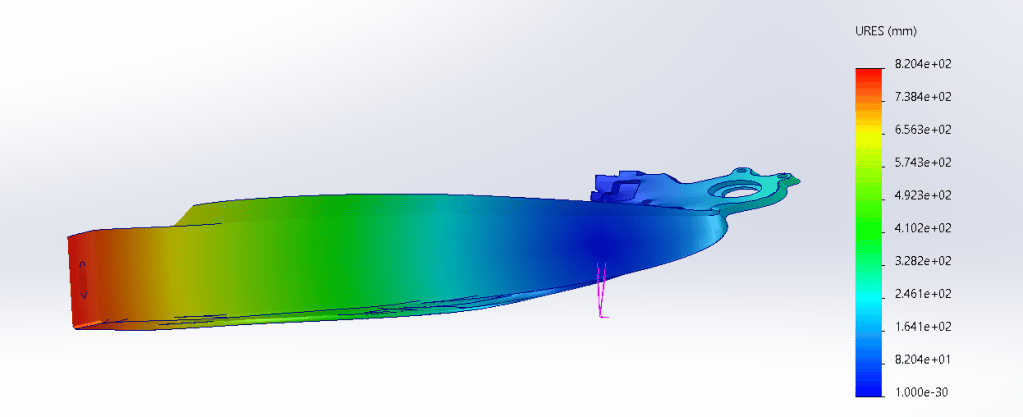
This very heavily highlights the importance of how energy gets absorbed. Because aluminum is not springy like UHMW, all of the energy Spartan imparted was put into plastically deforming the material, bending it forever. Synthesis 30’s UHMW uprights are able to wobble and flex, allowing the energy to be dispersed over a larger distance and time which saves it. In practice this energy is being dumped in within fractions of a second in a 3D-chassis structure which reinforces and directs energy in different ways.
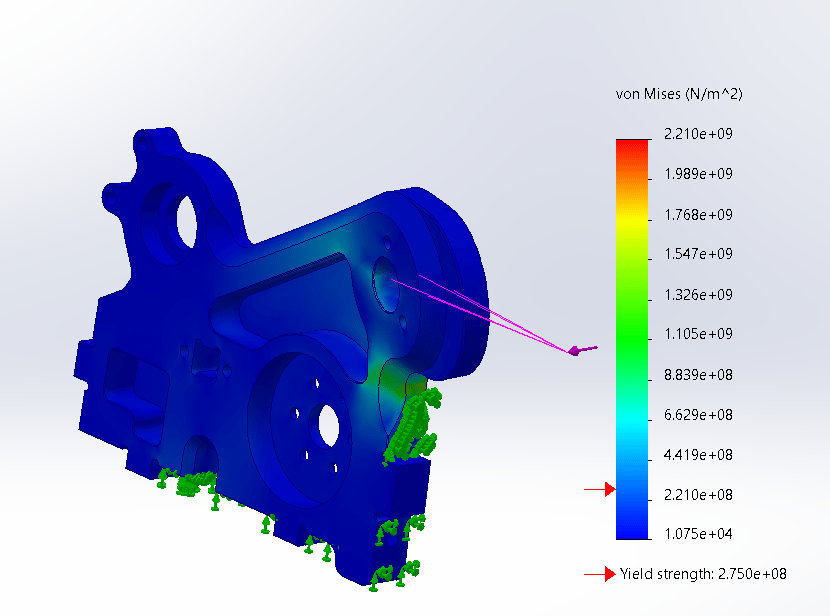
In the Stress plane, its important to see where the loading goes through. Based off the loading you can see the stress is heavily focused on the front radii of the rail with only a small level of force transporting beyond it. By contrast, here is the previous version’s rail:
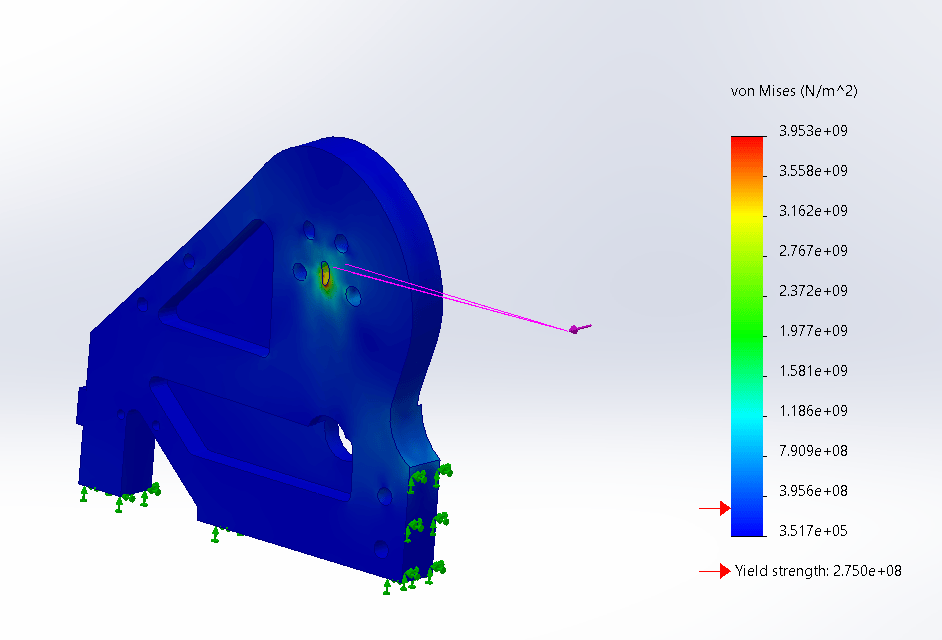
By quick comparison its clear that the new rail, in exchange for the greater reach, lost much of the implicit better support that the older versions took for granted.
From this brief exercise, it raises the hard questions that happen in combat robots: how do you engineer your robot’s design. Once you run into a problem where your hypothesis has been broken and it proves fatal, how do you work around it? FEA is a great tool that comes in some paid subscriptions of CAD services and it visualizes and puts into perspective. Geometry changes (like pulling the weapon in more) are other ways. All of these are part of the learning process. What’s common between any technique is to have the strength to keep moving forward either way.
Meowtybrain
The next fight after fighting a big horizontal was against…another horizontal. After that humbling first fight the wedge was switched to the second chassis and prepared for war. While there were now questions for how strong the robot really is, there was no other way for it to go but through.
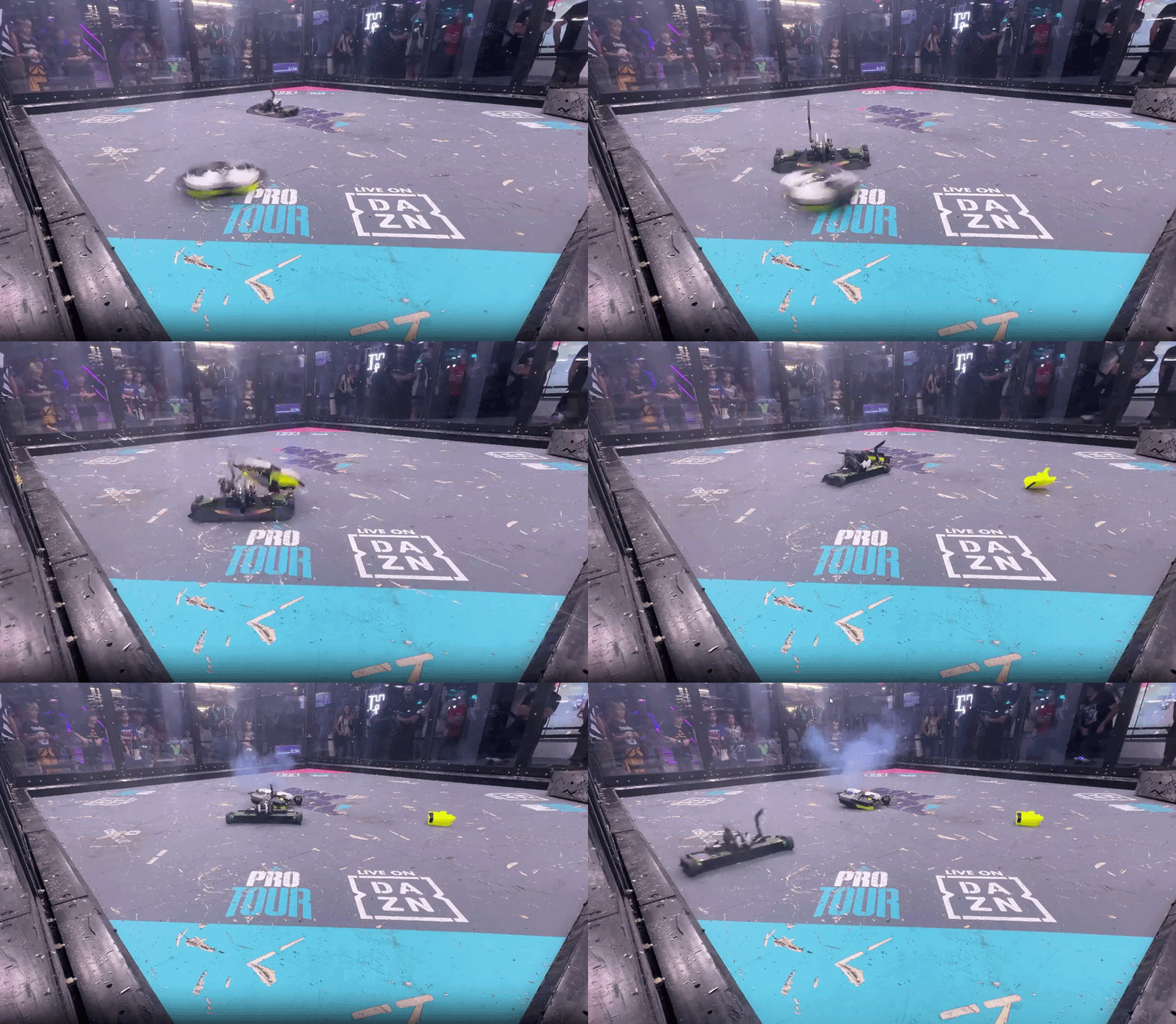
Fortunately this fight went much better. In one interaction, Phenomenon got two shots on Meowtybrain: one sending it up to the roof and a second of it landing on the blade. In almost a perfect throw, Phenomenon stayed exactly in place and casually waited for gravity to do its work. From there, the batteries were torn out and the robot set afire in a highlight-worthy blaze.
Kazaa Lite
The next opponent was the reigning champion, Kazaa Lite. In no uncertain terms, Phenomenon was not going to win this fight as anyone else would. Fortunately Phenomenon was no mere vertical spinner. To those who know the great and powerful Cattywampus the solution is obvious. To those who do not, behold The Self-Wronger. By using Phenomenon’s lifter to tilt the robot backward, the robot can either escape a pin from the opponent or potentially drop the weapon into them similar to how Emulsifier did to V2 in March 2025. Always learn from your losses.
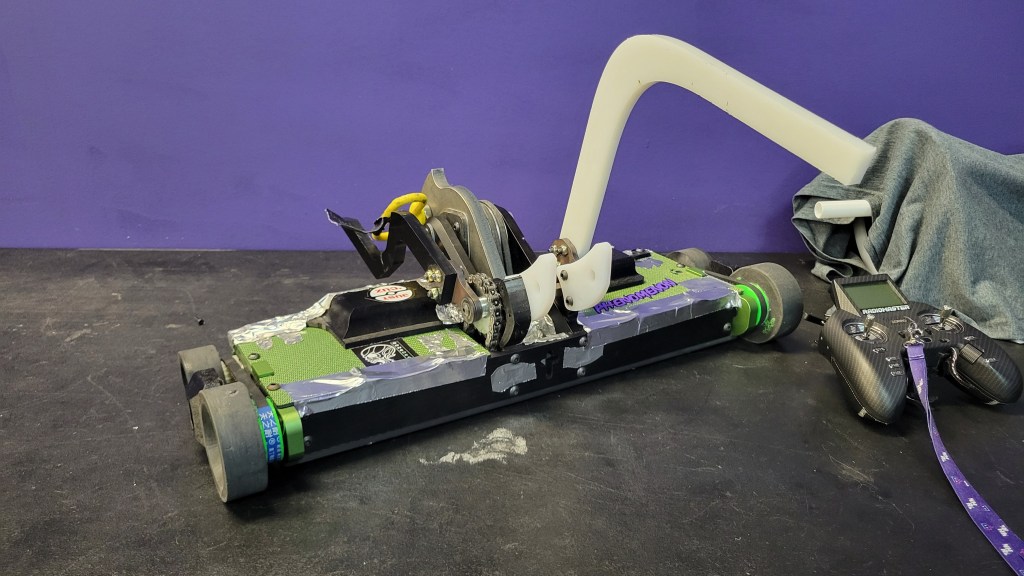
If I wanted to go true chaos I would flip the blade around and spin down to mirror a hammersaw, but for now I wanted the stable driving of the normal rotation and potential to throw them upwards and get them stuck on the wall. Armed with the nothing but chaos and nothing left to lose, Phenomenon soldiered into battle.
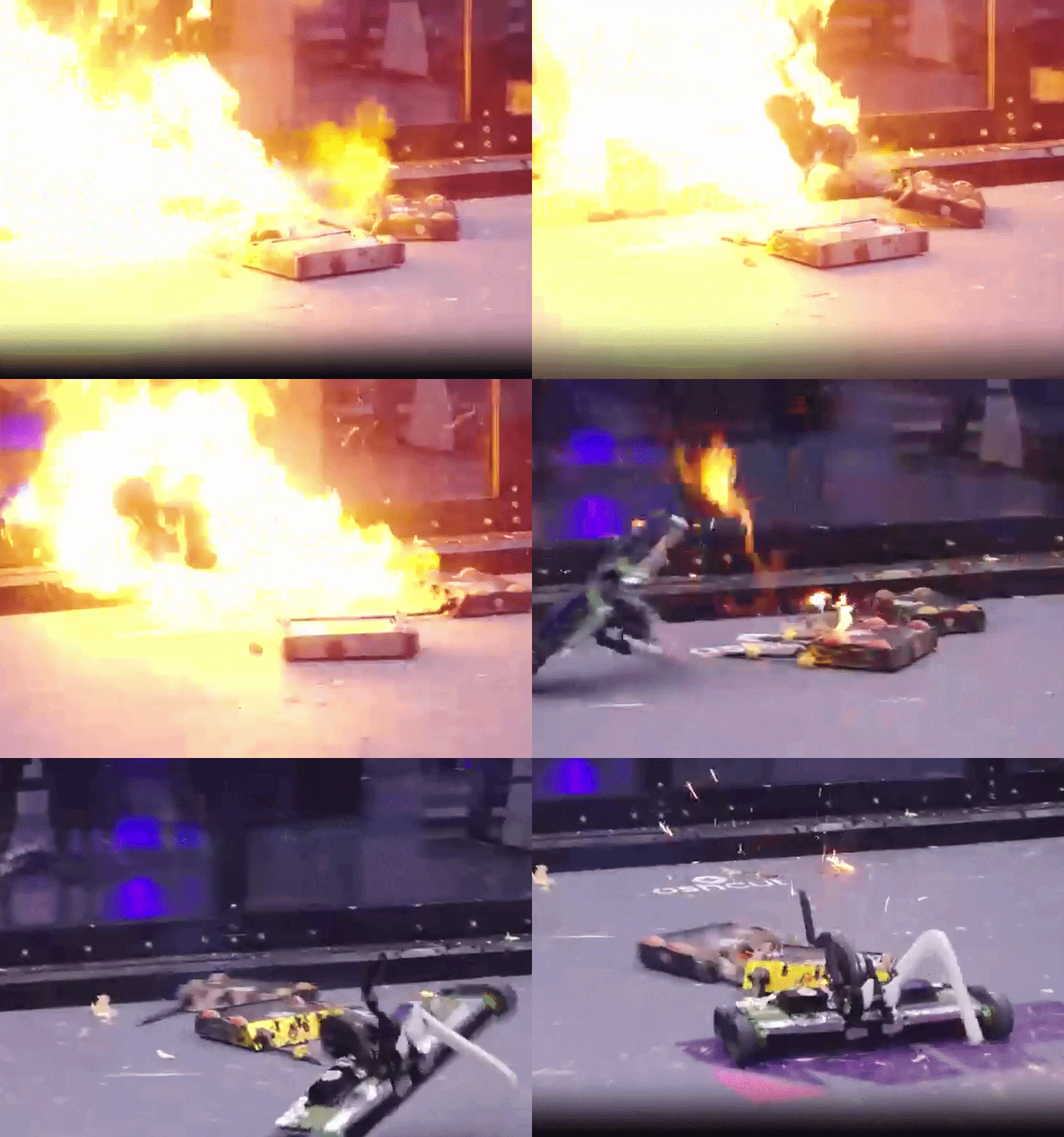
Unfortunately, the unpreparedness for Kazaa’s forks ended up doing the most damage. Shortly after the brilliance of the self-wronger’s flip, the chain on the arm snapped (right at the half-link. This will be removed later) making the self-wronger and regular lifting arm useless. After that, a clever jab from one of Kazaa’s forks poked the weapon motor pulley and killed it. While Phenomenon was down both means of offense, it was not the end of the learning. Phenomenon fought to the end of the fight, fully saturated by the heat of Kazaa. And thanks to its aluminum and carbon…all core systems were fine.
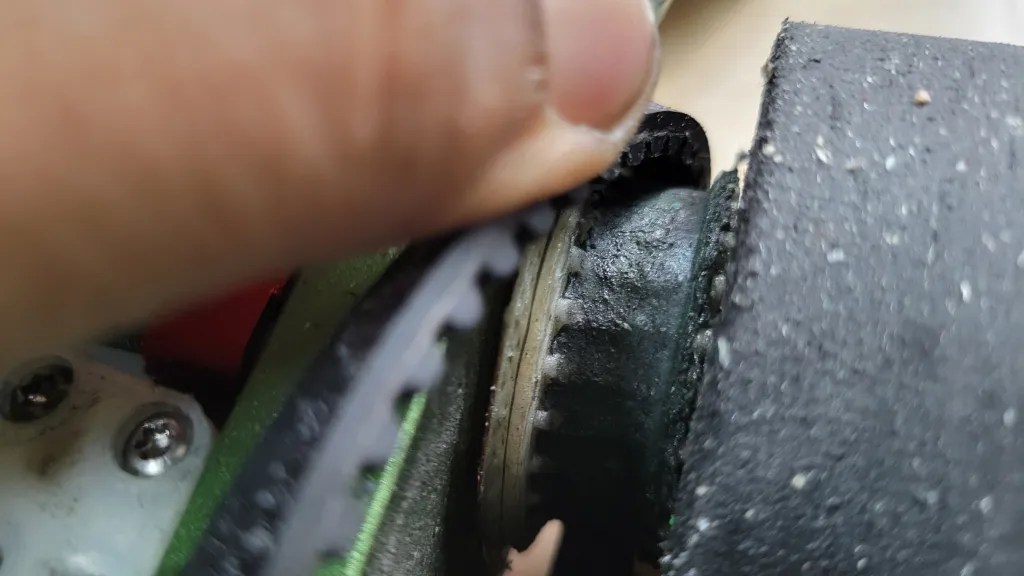
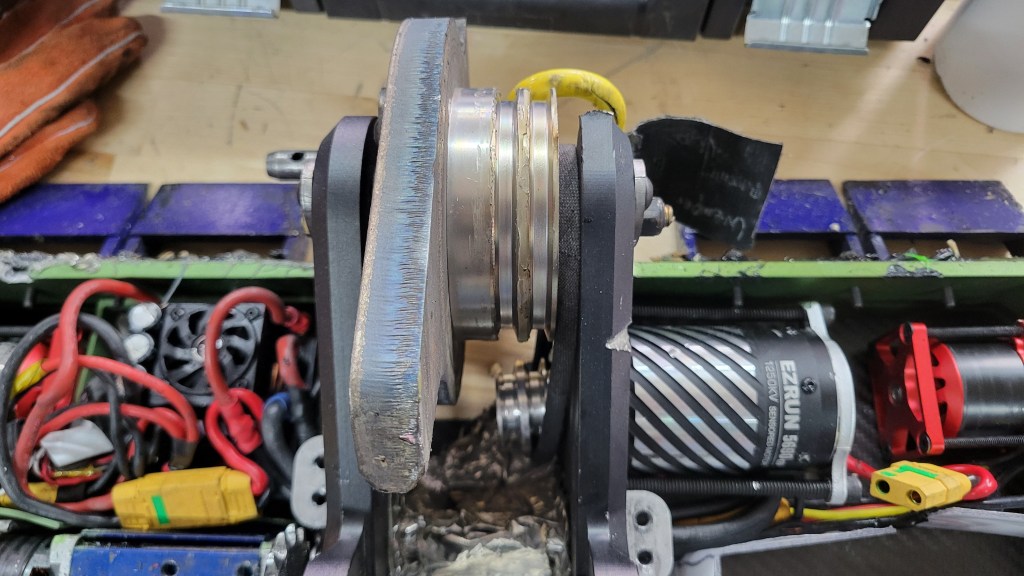
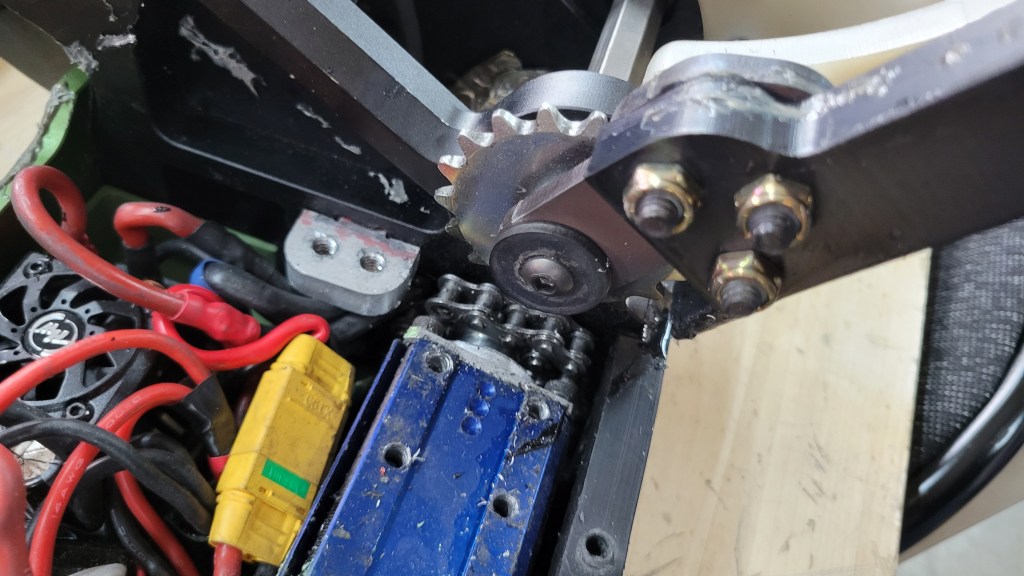
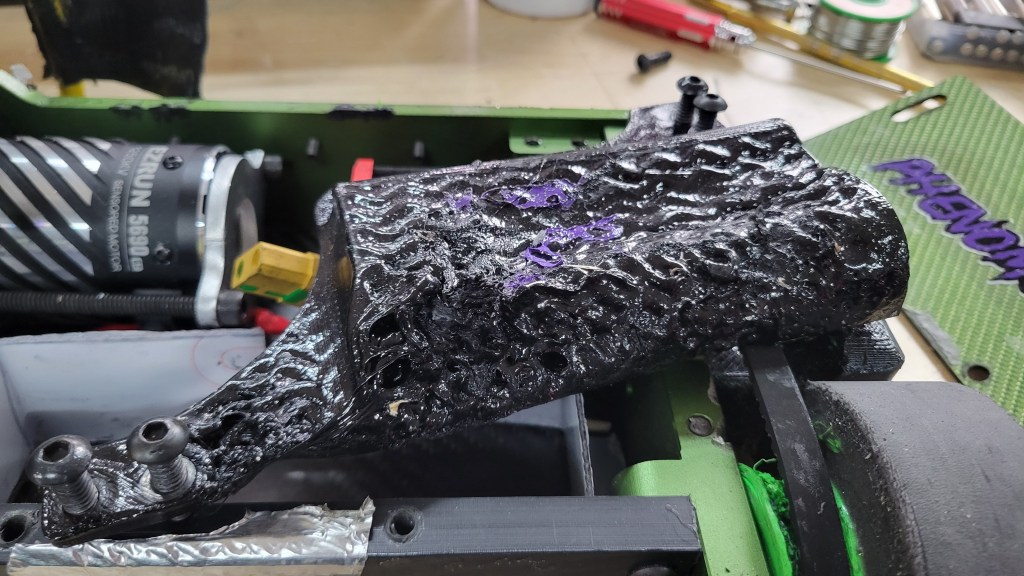
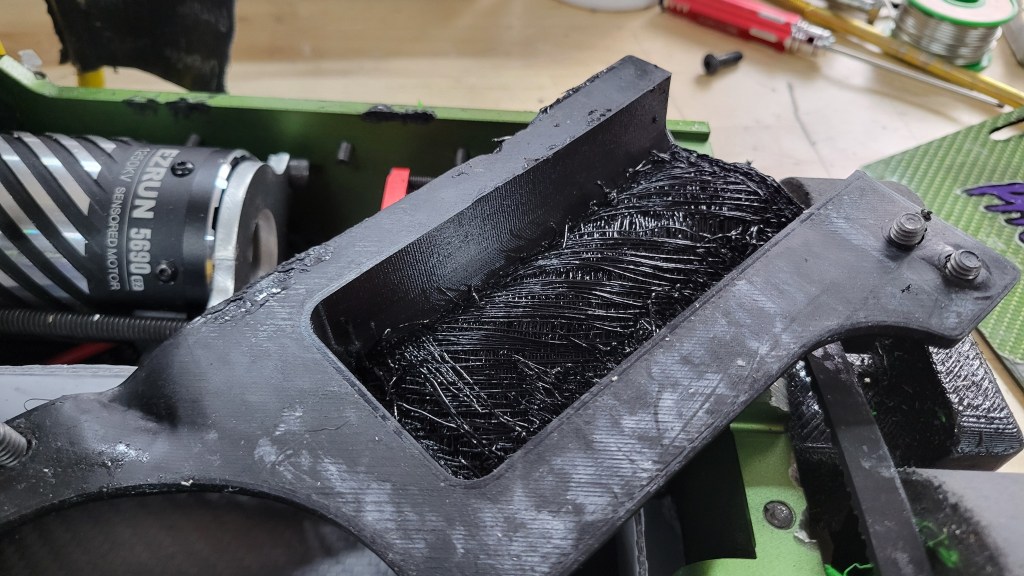
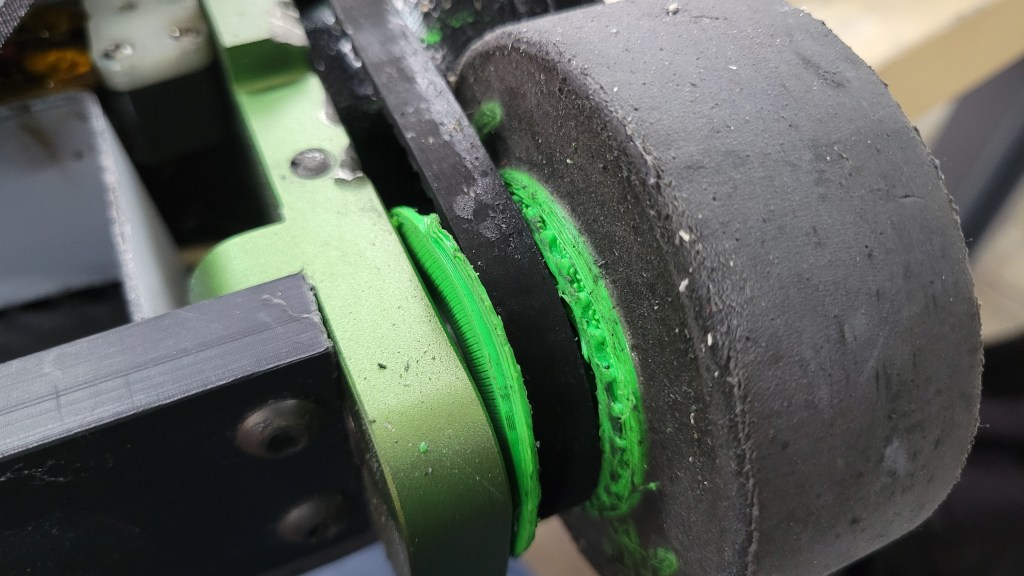
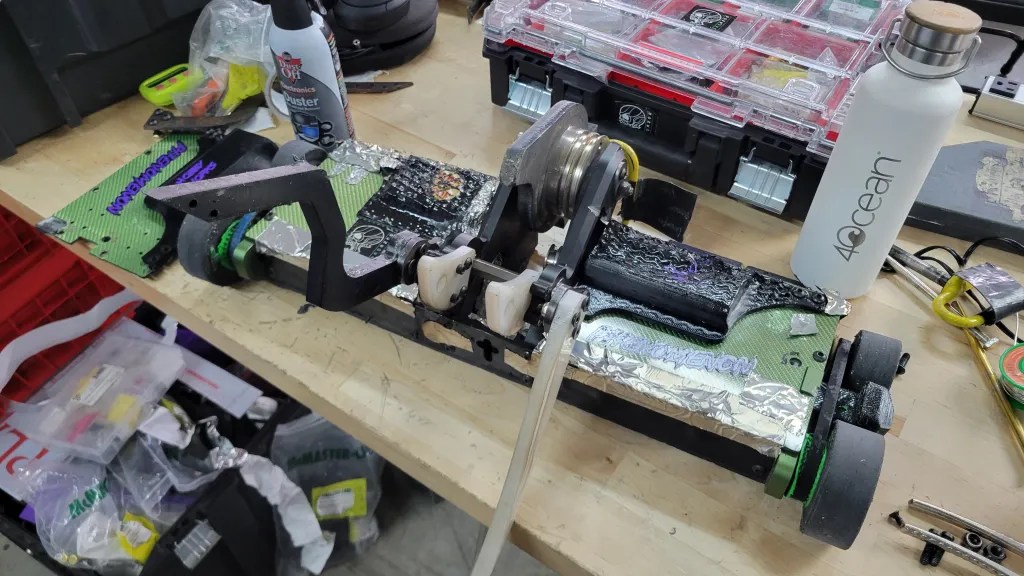
As expected, the 3D printed Nylon and TPU pulleys died, but this meant nothing to the aluminum front wheel. Even the melted TPU motor and ESC covers were undamaged on the inside of the chassis; even the unmelted TPU strands on the inside were unaffected. For a robot archetype that looks as brutal as it does, 30lb robots were surprisingly unconcerned with the heat. If all other things raised concern in this robot, the systems reliability is not one of them.
Takeaways
For Vecna, it was a disappointing but somewhat expected day. Though it was not clear Vecna was the stepping stone on the path to Modus’ inexorable rise to glory, it was still a good learning experience either way. It is important to note that Vecna was made in a cave from a box of scraps with the sole purpose of getting a good understanding of the 12lb class. All the efforts put into Phenomenon meant my knowledge in the 12lb class has been largely lacking. Similarly, watching BumbleBlitz defeating 30lbers gave excellent ideas for what Vecna could become. With Vecna’s long break until at least Spring 2027 there will be ample time to develop these ideas further.
For Phenomenon, its reset back to where it was prior to SCAR with some questions on its ultimate goal of winning NHRL Finals. While it is good to acknowledge that for the robots its designed to defeat Phenomenon proved itself effective, there are a list of exceptions which are concerning. Originally this robot is made to be fairly complete with more things settled on it than V2 or V1; the baseline of V3 weights 26lbs but V2 was 22lbs and the size of V3 makes any substantial change hard to make weight for. With the “exceptions” to V3 including MegatRon, Gargantuan, Spartan 30, and Kazaa Lite (all robots that could easily be met at NHRL Finals) it may require a more aggressive response. Whether this means modular cradles where the lifter is removed or the chassis itself has to be shrunk to reinforce the chassis/ decrease weight are all questions that may need to be answered.
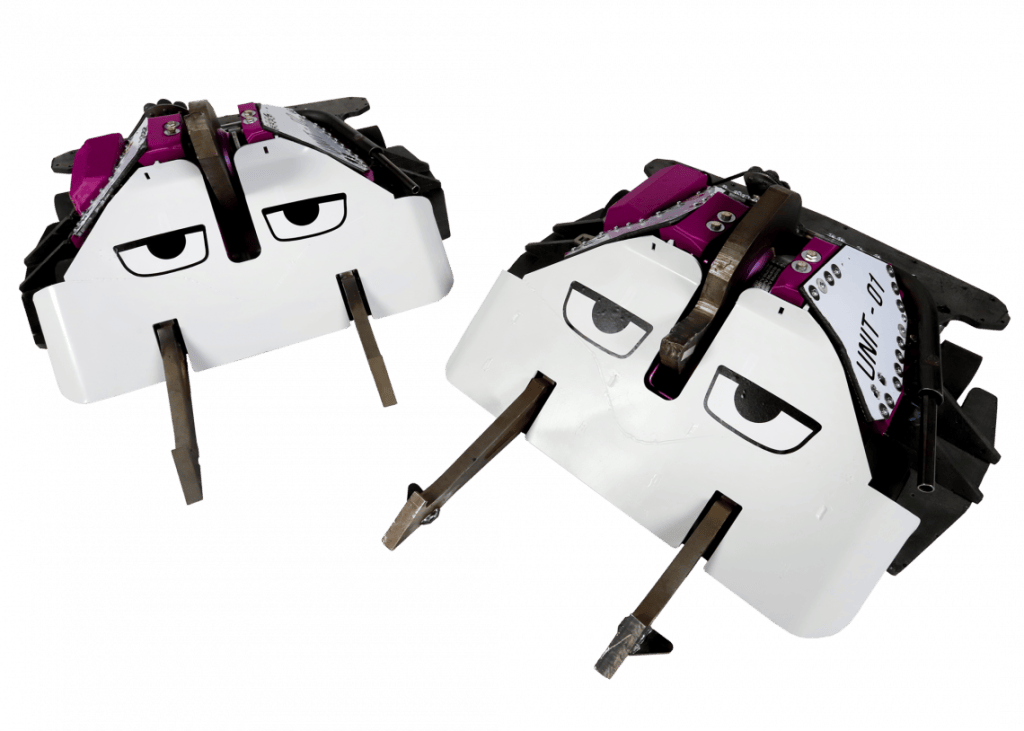
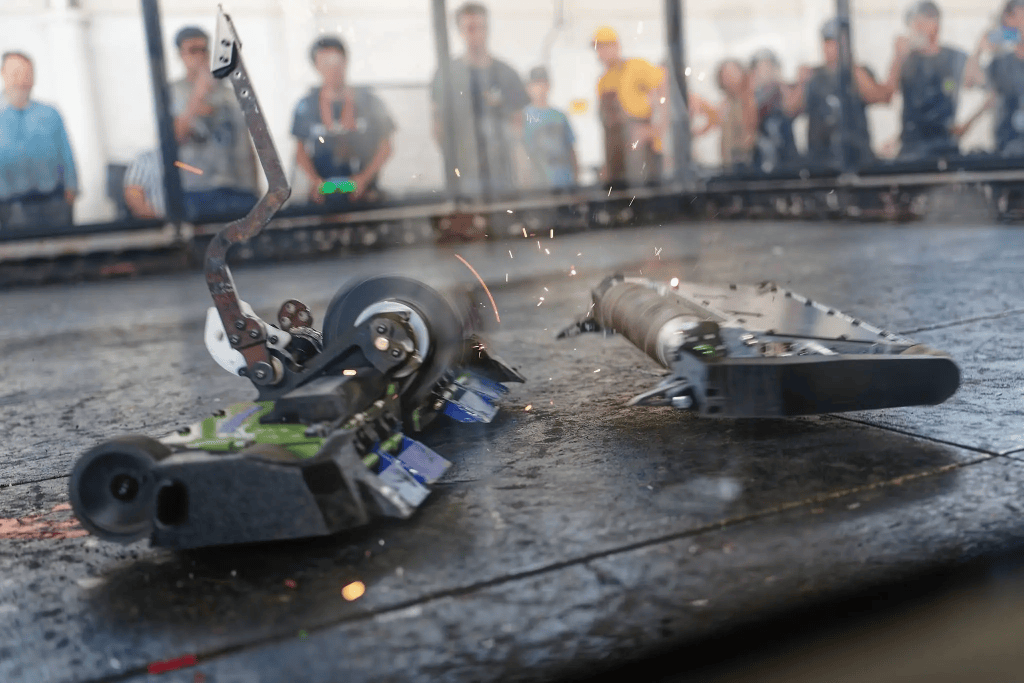
The Twins from Seems Reasonable on Battlebots is a well-optimized anti-horizontal shaped robot. The minimized stick-out and angled front make hits from horizontals difficult. Unfortunately, it is directly inverse to the reach of the weapon which was critical in its interaction with HSS. While it’s hard to gauge exactly how often this could become a problem (or if another fix like better forks would do better than a direct weapon on weapon interaction), it’s another trade-off to consider.
One thing that is clear is loading position is key. Since the loading position is limited in the current chassis, the only other way to maintain reach is to restrain it via other supporting struts. This could likely be done by more complex geometry in the front rails, but that could risk complexity and skyrocketing manufacturing costs.
“Deflectors” such as the triangle braces on the front wedge could be used to take some energy out of the hit, but gauging the size and position of the deflectors could be tricky.
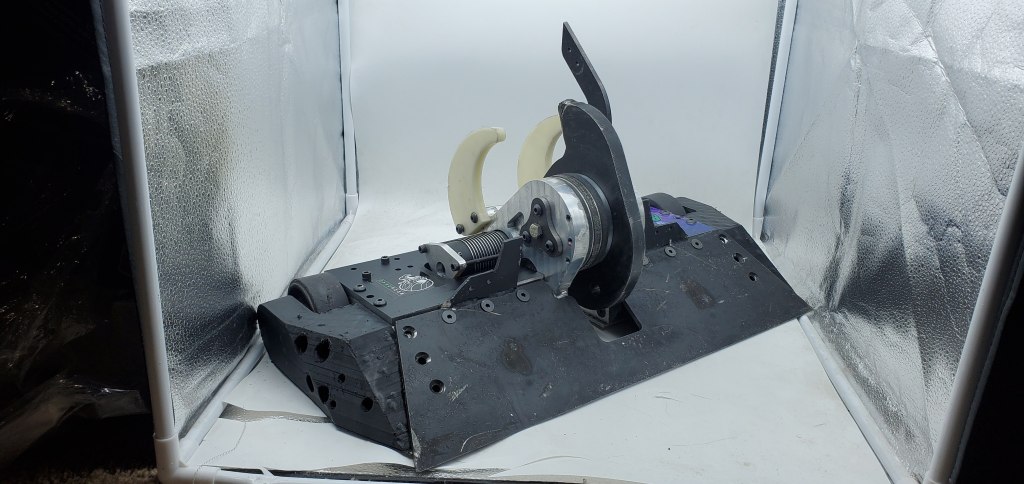
In V2, the thick wedge keying into the center rails alongside the triangle kickbacks near the top of the chassis meant there was chance the opponent would either bounce off these pieces before hitting the main chassis or if the rails were hit, then they would put force into the wedge and not worry about handling it entirely on its own. In practice, these deflectors were only hit once by Pepe Silvia when they were much taller. A more forward, angled guard structure would be required to not allow Spartan to reach to get another side shot.
For now it’s important to not throw away the baby with the bathwater: V3 shows great promise from the dominance it displayed in its wins. Small changes can be made such as fixing the chain distance in the uprights and adding a pulley guard will be done at least enough for Finals to nail the fundamentals. Small adjustments to configurations will be attempted (I still have hope for the self-wronger and a could try more ideas for Spartan) but not enough to throw away the whole machine. It’s been a hard stretch for Phenomenon, but the hope is brighter days are still ahead.


Leave a Reply